Introduction
You don't need to be fluent in a foreign language to be an effective volunteer. While language barriers can be frustrating, they're rarely insurmountable. With the right tools, techniques, and attitude, you can communicate meaningfully across any language divide.
Before You Go: Language Preparation
Learn the Basics
Even minimal language skills make a huge difference:
Greetings: Hello, goodbye, good morning, good eveningCourtesies: Please, thank you, excuse me, sorryEssentials: Yes, no, help, where, how much, water, food, bathroomNumbers: 1-10 at minimum, ideally 1-100Key phrases: "My name is...", "I don't understand", "Can you help me?"Best Language Learning Resources
| Resource | Best For | Cost |
|----------|----------|------|
| Duolingo | Basic vocabulary and grammar | Free |
| Babbel | Conversational skills | $7-13/month |
| iTalki | One-on-one tutoring with native speakers | $5-30/hour |
| Pimsleur | Audio-based learning (great for pronunciation) | $15-20/month |
| YouTube | Cultural context and real-world usage | Free |
Focus on Pronunciation
When you know just a few words, pronunciation matters enormously:
Listen to native speakers (podcasts, music, YouTube)Practice with a language partner or tutorRecord yourself and compare to native audioDon't be afraid of sounding silly — effort is what mattersCommunication Strategies That Work
Non-Verbal Communication
Body language is universal (with some cultural variations):
Smiles: The most powerful communication tool worldwideGestures: Pointing, thumbs up (check cultural appropriateness), noddingFacial expressions: Convey interest, confusion, gratitudeDrawing: Sketch ideas when words fail — carry a small notebookShowing photos: Use your phone to show images of what you meanUsing Technology as a Bridge
Google Translate: Text and camera translation (download languages for offline use)Voice translation: Real-time spoken translation (requires internet)Picture dictionaries: Apps that show images with words in both languagesTranslation cards: Pre-printed cards with common phrases in the local languageThe Power of Patience
Speak slowly and clearly — don't shout (louder doesn't equal clearer)Use simple sentences — avoid idioms, slang, and complex grammarRepeat and rephrase — if you're not understood, try saying it differentlyGive people time — rushing makes communication harder, not easierLaugh at yourself — humor transcends languageCommon Scenarios and Solutions
In the Classroom (Teaching Volunteers)
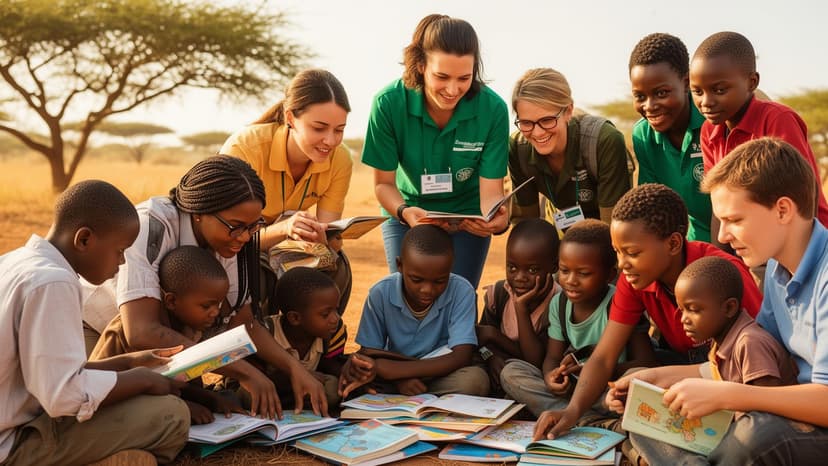
Use visual aids: pictures, diagrams, real objectsDemonstrate rather than explainUse total physical response (TPR): associate words with actionsCreate bilingual word walls and vocabulary cardsPair stronger students with weaker ones for peer teachingIn Healthcare Settings
Learn medical vocabulary in the local languageUse pictorial symptom charts and body diagramsWork with a local interpreter whenever possibleNever guess at medical information — always confirm understandingCreate visual health education materialsIn Daily Life
Learn market language: numbers, "how much?", food namesPoint and smile: It works more often than you'd thinkEat what locals eat: Pointing at food in a restaurant or market stall is perfectly acceptableAsk for help: People are usually happy to assist a well-meaning foreignerCarry a phrase card: A laminated card with essential phrases in both languagesCultural Considerations in Communication
What Non-Verbal Cues Mean in Different Cultures
Eye contact: In some cultures, direct eye contact shows respect; in others, it's rudeHead nodding: In Bulgaria and parts of South Asia, a head shake means "yes"Personal space: Varies dramatically between culturesSilence: In many Asian cultures, silence indicates thoughtfulness, not disagreementTouching: Handshakes, cheek kisses, and bowing vary by culture and genderActive Listening Across Cultures
Pay attention to tone and emotion, even when you don't understand the wordsMirror body language to show engagementConfirm understanding: Repeat back what you think was saidBe comfortable with pauses — don't rush to fill silenceBuilding Language Skills During Your Placement
Daily Learning Habits
Word of the day: Learn one new word each morning and use it throughout the dayLanguage buddy: Ask a local colleague to teach you phrases during breaksLabel things: Put sticky notes with local words on objects around your living spaceKeep a vocabulary journal: Write new words with pronunciation guidesPractice, practice, practice: Every interaction is a learning opportunityDon't Aim for Perfection
Effort matters more than accuracy: Locals appreciate your attemptsMake mistakes boldly: You'll learn faster and people will correct you kindlyCelebrate progress: Moving from zero to basic conversation is a huge achievementAccept limitations: You won't become fluent in a few months, and that's okayConclusion
Language barriers are challenges, not roadblocks. With preparation, patience, and creativity, you can build meaningful connections across any language divide. The willingness to try — however imperfectly — speaks louder than fluent words ever could.
Your smile, your effort, and your genuine desire to connect will communicate more than any phrasebook.
Find volunteer programs at volunteertotheworld.com →
Related: [Cultural Sensitivity & Local Customs](/guides/cultural-sensitivity) | [Best Communication Tools for Staying Connected](/guides/communication-tools-abroad)
 James Okonkwo