Introduction
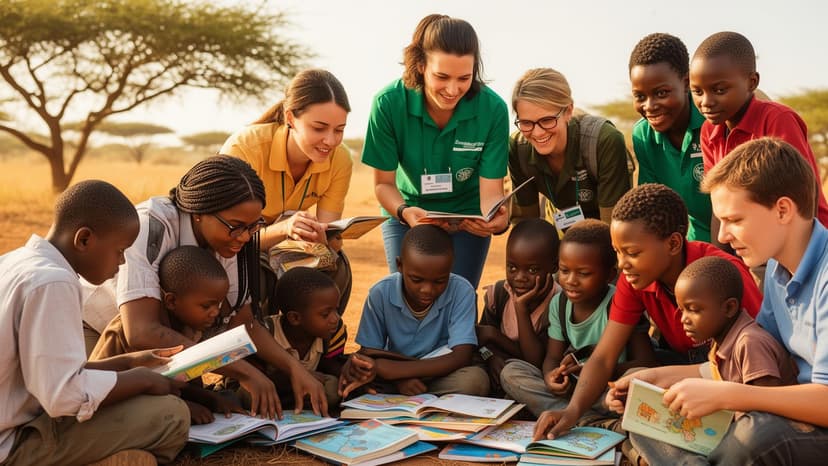
Teaching English is the single most popular volunteer activity abroad. It's also the one most plagued by ethical concerns — untrained volunteers teaching children for a week before disappearing, or displacing local teachers who need the jobs.
But done right, volunteer English teaching can be genuinely valuable. Many communities in developing countries lack access to native English speakers, and consistent exposure to spoken English dramatically improves students' skills and opportunities.
This guide covers how to teach English abroad without a TEFL certificate — ethically and effectively.
Do You Actually Need a TEFL?
When You Don't Need One
Volunteer teaching (unpaid): Most volunteer programs don't require TEFLConversational English practice sessionsTeaching assistant roles alongside qualified local teachersShort-term community classes in informal settingsWhen You Should Get One
Paid teaching positions: Almost always require TEFL/TESOLLong-term placements (6+ months): TEFL makes you more effectiveTeaching solo without local teacher supportCareer change into education: TEFL opens doorsAffordable TEFL Options (If You Want One Later)
Online TEFL courses: $100-300 for 120-hour certificationIn-person TEFL (abroad): $1,000-2,500 for 4-week intensiveFree courses: Some platforms offer free introductory TEFL modulesBest Countries for No-TEFL Volunteer Teaching
Kenya
Kenya's education system uses English as the medium of instruction, but many rural schools lack native-speaker exposure.
What you'll teach: Conversational English, reading, pronunciationSetting: Primary and secondary schoolsDuration: 4+ weeks recommendedSupport: Usually paired with a local teacherExplore Kenya programs →Nepal
Nepal has a massive demand for English education — it's the key to economic mobility.
What you'll teach: Basic to intermediate English, often in monastery or community schoolsSetting: Buddhist monasteries, community schools, women's groupsDuration: 2-12 weeksSupport: Varies; some programs provide lesson plansExplore Nepal programs →Ghana
English is Ghana's official language, but proficiency varies widely outside urban areas.
What you'll teach: Literacy, grammar, spoken EnglishSetting: Rural primary schoolsDuration: 4+ weeks idealSupport: Good — most programs pair you with local teachersExplore Ghana programs →Cambodia
Cambodia's English education is growing rapidly, creating demand for native speakers.
What you'll teach: Basic English, conversation practiceSetting: NGO-run schools, community centersDuration: 2-8 weeksSupport: Moderate — some programs provide curriculumExplore Cambodia programs →Guatemala
Many indigenous communities in Guatemala speak Mayan languages first, Spanish second, and want English third.
What you'll teach: Basic English for tourism and businessSetting: Community classes, language schoolsDuration: 4+ weeksSupport: Good, especially through established programsExplore Guatemala programs →Thailand
Thailand's education system emphasizes English but lacks native-speaker teachers in rural areas.
What you'll teach: Conversational English, pronunciationSetting: Government schools, community centersDuration: 4-12 weeksSupport: Usually paired with Thai English teacherExplore Thailand programs →How to Be an Effective Teacher Without Training
Before You Arrive
Research basic teaching techniques: YouTube has excellent free resources on ESL teaching methodsLearn about your students' context: Age, background, current English levelPrepare lesson plans: Even rough plans prevent awkward classroom silencesBring teaching materials: Flashcards, children's books, printed worksheetsLearn basic phrases in the local language — students respect the effortIn the Classroom
Start with what they know: Assess the current level before introducing new materialUse visuals: Pictures, gestures, and objects are universal teaching toolsRepeat, repeat, repeat: Repetition is fundamental to language learningMake it interactive: Games, songs, role-plays engage students far more than lecturesBe patient: Learning a language is hard — celebrate small victories6. Follow the local teacher's lead: They know their students; defer to their expertise
Common Teaching Activities (No Training Needed)
Picture dictionaries: Point and name objects togetherSimon Says: Practices listening comprehension and body vocabularyStory time: Read simple stories aloud with dramatic expressionConversation partners: One-on-one or small group speaking practiceSongs: Simple English songs with actions (Head, Shoulders, Knees and Toes)Board games: Modified Bingo, memory matching with vocabulary cards"The most effective volunteer teachers aren't the best linguists — they're the ones who show up consistently, respect the local teachers, and make learning fun." — James Okonkwo
Ethical Considerations
Teaching volunteer ethics are critical. Doing it wrong can harm students:
Do
✅ Supplement local teachers, don't replace them✅ Commit to at least 4 weeks — children need consistency✅ Follow existing curriculum rather than inventing your own✅ Create materials that stay after you leave✅ Prioritize local teacher capacity building alongside student teachingDon't
❌ Teach for less than 2 weeks — student disruption outweighs benefits❌ Take over from qualified local teachers who need the work❌ Promise to return if you're not certain you will❌ Use students for social media content without proper consent❌ Assume Western teaching methods are superior — they're different, not betterCosts for Teaching Volunteer Programs
| Destination | Program Fees/Week | Daily Expenses | Flight (US) | Total (4 weeks) |
|-------------|-------------------|----------------|-------------|-----------------|
| Kenya | $250-450 | $15 | $900 | $2,320-3,120 |
| Nepal | $250-400 | $10 | $850 | $2,130-2,830 |
| Ghana | $250-400 | $12 | $800 | $2,136-2,936 |
| Cambodia | $250-400 | $12 | $850 | $2,186-2,986 |
| Guatemala | $250-400 | $12 | $400 | $1,736-2,536 |
| Thailand | $250-450 | $20 | $800 | $2,410-3,210 |
Calculate your exact costs →
What You'll Gain
Beyond the satisfaction of helping students:
Communication skills: Teaching across language barriers makes you a better communicatorPatience and adaptability: Essential life skills developed dailyCultural competence: Deep understanding of another education system and cultureProfessional skills: Relevant for careers in education, international development, managementLifelong connections: Many volunteer teachers maintain relationships with students for yearsConclusion
You don't need a TEFL certificate to make a meaningful contribution as a volunteer English teacher. What you do need is genuine commitment (4+ weeks minimum), humility (you're the assistant, not the hero), and preparation (lesson plans, materials, cultural awareness).
Teaching is the volunteer activity where relationship-building matters most. The longer you stay, the more impact you'll have — and the more you'll receive in return.
Find teaching programs →
Want to combine teaching with conservation? Check out our [Wildlife Conservation Volunteering Guide](/blog/wildlife-conservation-volunteering-guide).
 James Okonkwo