
 James Okonkwo
Volunteering abroad as a family is one of the most powerful ways to build empathy, resilience, and global awareness in your children. It replaces the passive consumption of a resort holiday with active engagement — working alongside local families, understanding different ways of life, and contributing something tangible to a community in need.
But it requires more planning than a solo trip. Children have specific needs around safety, comfort, stimulation, and emotional processing. The wrong program can be stressful, uncomfortable, and even counterproductive. The right one can be life-changing for the entire family.
Having coordinated hundreds of family placements across East Africa and beyond, I have learned what works, what does not, and what parents need to know before booking.
Is Your Family Ready?
Before researching programs, honestly assess your family's readiness:
Age of children. Most family volunteer programs accept children from age 5 or 6, though some have activities for younger children. The ideal age range for a first family volunteer trip is 8 to 16 — old enough to participate meaningfully, young enough to be profoundly shaped by the experience.
Temperament and adaptability. Does your child handle new situations well? Are they comfortable around strangers? Can they eat unfamiliar food without major resistance? Children who struggle with routine disruption may need gentler introduction to international volunteering — perhaps starting with a domestic project.
Health considerations. Some destinations require vaccinations that may not be recommended for very young children. Malaria zones, high altitudes, and areas with limited medical infrastructure require extra caution with kids. Consult your pediatrician about your specific destination.
Family dynamics. Volunteering abroad puts families in close quarters under unfamiliar conditions. If your family is going through a stressful period — recent divorce, a struggling teenager, significant conflict — this is probably not the right time. Volunteering amplifies existing dynamics, both positive and negative.
Best Destinations for Family Volunteering
Some destinations are naturally more family-friendly than others. Here are my top recommendations:
Recommended Reading
Costa Rica
Why it works for families: Stable democracy with excellent safety record, no malaria in most tourist and volunteer areas, high-quality medical facilities, short flights from North America, abundant wildlife that children love, and a well-developed volunteer infrastructure.
Best programs: Wildlife conservation (sea turtles, sloths, monkeys), community development in rural villages, environmental education, beach cleanups.
Ages: Suitable for children 5 and up.
South Africa
Why it works for families: World-class medical facilities in urban areas, English-speaking, incredible wildlife, excellent family volunteer programs in the Western Cape region, and manageable time difference from Europe.
Best programs: Wildlife rehabilitation, community sports coaching, early childhood education support, conservation in private reserves.
Ages: Most programs accept children 8 and up; some wildlife programs require 12+.
Thailand
Why it works for families: Extremely family-friendly culture (Thai people adore children), affordable, safe, excellent food, well-established volunteer programs, and easy travel infrastructure.
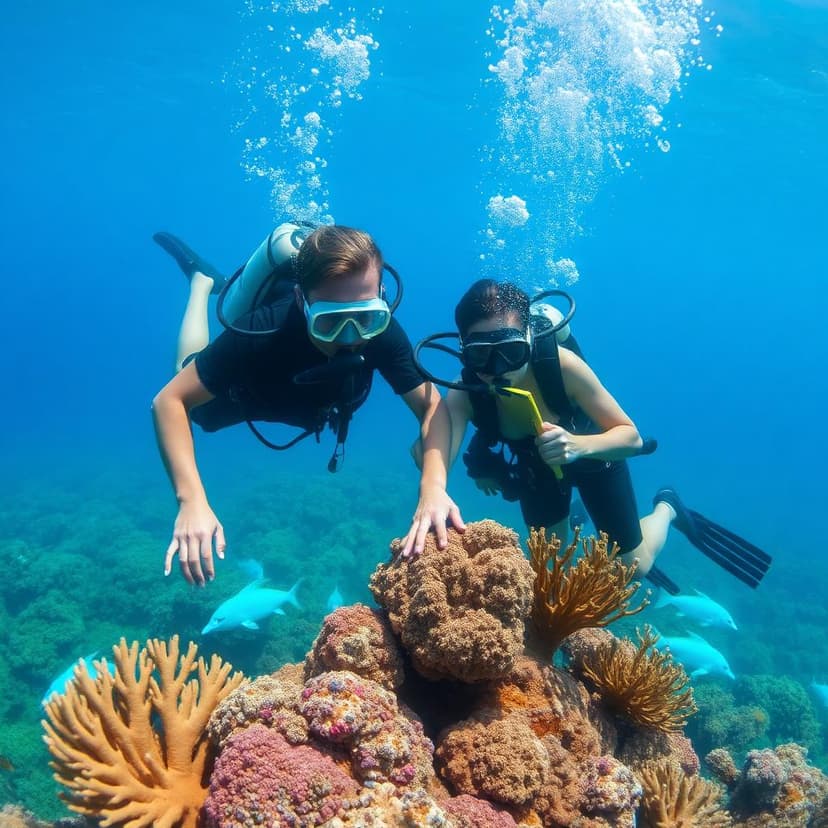
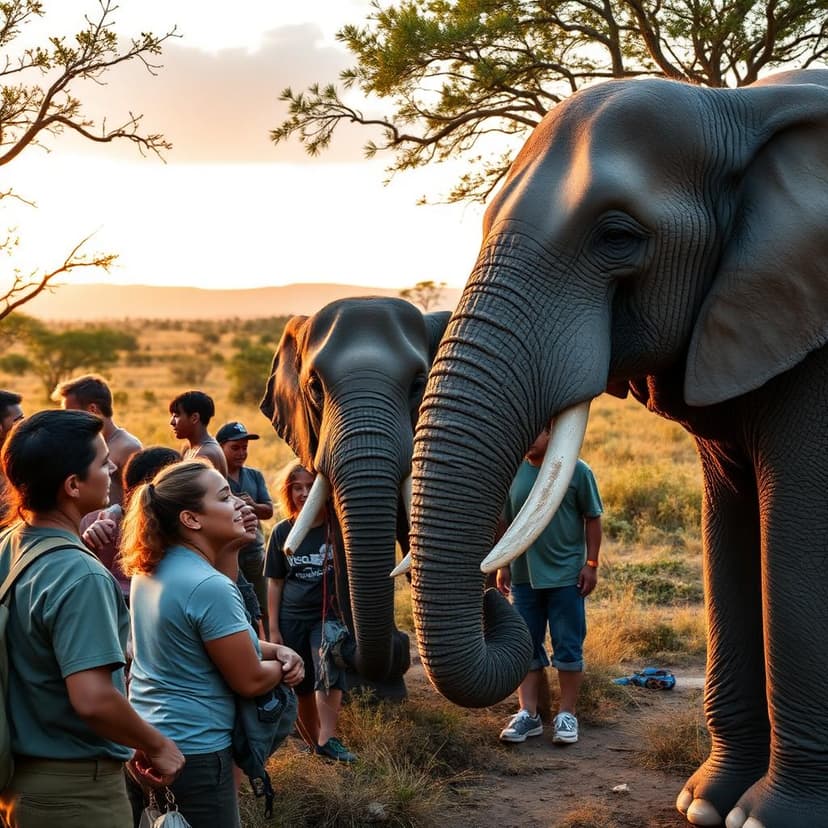
Best programs: Elephant sanctuaries, marine conservation, teaching English, community development.
Ages: Suitable for children 6 and up. Elephant and marine programs often require 8+.
Portugal and Greece
Why it works for families: European safety and infrastructure, mild climate, farm and conservation programs that are perfect for children, no visa requirements for EU, US, and Canadian citizens.
Best programs: Organic farming, wildlife rehabilitation (Greece has excellent sea turtle programs), community gardening.
Ages: Suitable for children 5 and up.
Peru
Why it works for families: Rich cultural experiences, incredible history (Machu Picchu), well-established family programs, opportunities to practice Spanish.
Best programs: Community development in the Sacred Valley, wildlife conservation in the Amazon, teaching English.
Ages: Most programs accept children 8 and up. Amazon programs may require 10+ due to remoteness.
Age-Appropriate Activities by Age Group
Ages 5-7
At this age, children learn primarily through play, observation, and sensory experience. Appropriate volunteer activities include:
Duration: 2 to 3 hours of structured activity per day maximum. Balance volunteer work with play, rest, and exploration.
Ages 8-12
Children in this range can handle more structured tasks and begin to understand the social context of their work:
Duration: 4 to 5 hours of structured activity per day, with breaks.
Ages 13-17
Teenagers can participate in most adult volunteer activities with appropriate supervision:
Duration: 5 to 6 hours per day, similar to adult schedules.
Safety Considerations
Safety is the non-negotiable priority for family volunteering. Here is what to verify:
Medical access. How far is the nearest hospital? Does it have pediatric capabilities? What is the emergency evacuation plan? Programs in remote areas should have clearly defined medical emergency protocols.
Water and food safety. Is safe drinking water available? Are meals prepared hygienically? Children are more susceptible to waterborne illness than adults. Bring a high-quality water filter and oral rehydration salts.
Accommodation security. Are rooms lockable? Is the accommodation fenced or gated? Are there any hazards accessible to children (unfenced pools, open wells, busy roads)? Visit the accommodation website and ask the organization for recent photos.
Supervision ratios. For programs involving multiple families, what is the adult-to-child ratio? For unstructured time, who is responsible for child supervision — you or the program?
Background checks. Does the organization conduct background checks on staff and adult volunteers who will interact with your children? This is a basic safeguarding standard.
Insurance. Ensure your travel insurance covers all family members and includes pediatric medical evacuation. Standard adult policies may not automatically cover children. Read the fine print.
Managing Logistics
Flights and Travel
Accommodation
Food and Nutrition
School Considerations
If your trip falls during school term, you have several options:
Budget Planning for Family Volunteering
Family volunteering costs more than solo or couple trips. Here is a realistic budget framework for a family of four on a two-week program:
Total for a family of four, two weeks: $5,300 to $16,500
To reduce costs:
Building Empathy in Children Through Service
The most valuable outcome of family volunteering is not the work you do — it is the perspective your children gain. Here is how to maximize the empathy-building potential:
Prepare before you go. Read books, watch documentaries, and have age-appropriate conversations about the community you will visit. Children who understand context engage more deeply than those who arrive unprepared.
Process experiences together. Set aside time each evening to talk about what you saw, felt, and learned. Ask open-ended questions: "What surprised you today?" "How do you think [child's name] feels about their life?" "What would be hardest for you if you lived here?"
Avoid pity framing. Help children understand that different does not mean inferior. The families you work with have rich lives, deep relationships, and cultural traditions that deserve respect — not pity. Phrases like "those poor children" undermine the dignity of the community.
Follow up at home. The empathy built during a volunteer trip fades without reinforcement. Continue conversations, follow the organization's updates, stay in touch with people you met, and find ways to serve your own local community.
Let children lead. As much as possible, let your children decide how they want to contribute. A child who chooses to read stories to younger children is more engaged than one who is told to paint a wall. Ownership creates investment.
Common Mistakes Families Make
Having seen hundreds of family placements, these are the most common pitfalls:
The Bottom Line
Family volunteering abroad is not the easiest vacation you will ever take — but it may be the most valuable. When done thoughtfully, it teaches children that the world is bigger than their backyard, that privilege comes with responsibility, and that even small contributions matter. Choose programs carefully, prepare your children honestly, prioritize safety, and trust that the experience will shape your family in ways you cannot predict.
Ready to Start Your Volunteer Journey?
Explore ethical programs in Kenya, Nepal, Thailand, and more.
View Programs on VolunteerToTheWorld.com
Head of Partnerships
Former teacher with 10+ years coordinating education programs across East Africa.
Stay in the Loop
Get volunteer tips, destination guides, and opportunities delivered to your inbox.
You May Also Like

Volunteer Abroad Age Requirements

What to Wear Volunteering Abroad

How Long Should I Volunteer Abroad?
Volunteering Abroad With a Disability: Inclusive Programs and Practical Advice
Volunteer Abroad with No Experience: Programs That Welcome Beginners
Family Volunteering Abroad: Age-Appropriate Programs for Kids
Related Programs on VolunteerToTheWorld.com
Ready to take the next step? Explore verified programs related to this article.