    Early Bird 2026: Book before March 31 — 15% off your placement fee!Explore programs →

    Volunteering as a Couple: How to Choose the Right Program Together
    Guides

    Volunteering as a Couple: How to Choose the Right Program Together

    Navigate the unique challenges and joys of volunteering abroad as a couple, from choosing a program to sharing responsibilities.

    Maria RodriguezMaria RodriguezFebruary 5, 20269 min read

    Introduction

    Choosing a volunteer program is complicated enough as an individual. When you're making the decision as a couple, the variables multiply—two sets of interests, two skill sets, two comfort levels, and two ideas about what "meaningful" looks like.

    But here's the beautiful truth: couples who volunteer together often describe it as the most bonding experience of their relationship. This guide walks you through the decision-making process from start to finish.

    Step 1: Define Your Shared "Why"

    Before browsing programs, sit down together and answer:

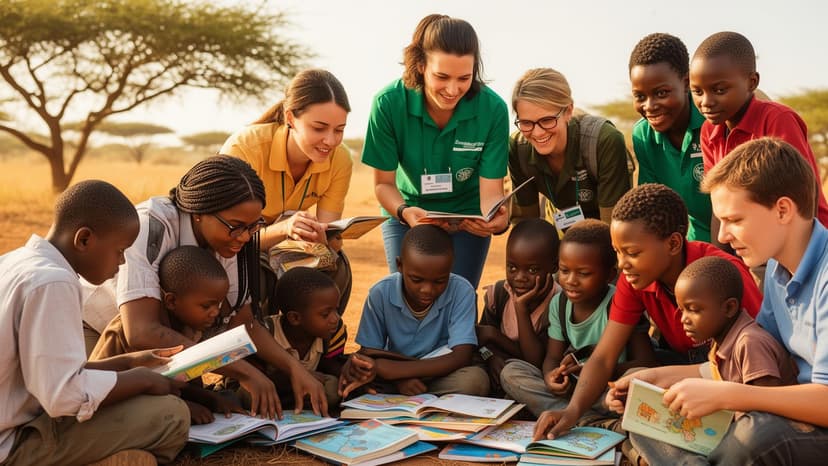
  1. Why do you both want to volunteer? Adventure? Purpose? Growth? Resume? All valid—but align on priorities.
  2. What cause are you passionate about? Education, conservation, healthcare, community development?
  3. What do you hope to gain as a couple? Shared memories, tested resilience, new perspectives?
  4. If your answers diverge, that's okay. The best programs offer enough variety to satisfy different interests within the same placement.

    "We've seen couples where one partner is passionate about wildlife and the other about teaching. The best programs let them volunteer on different projects while sharing accommodation and meals." — Maria Rodriguez

    Step 2: Assess Your Joint Skill Set

    Make a combined skills inventory:

    Hard Skills

  5. Professional expertise (medical, engineering, teaching, IT)
  6. Languages spoken
  7. Certifications (diving, first aid, TEFL)
  8. Trade skills (carpentry, plumbing, electrical)
  9. Soft Skills

  10. Communication and patience
  11. Adaptability and flexibility
  12. Physical fitness level
  13. Comfort with basic living conditions
  14. Experience with children, elderly, or vulnerable populations
  15. The ideal program leverages skills from both partners, even if they contribute in different ways.

    Step 3: Navigate the Practical Decisions

    Duration

  16. 1-2 weeks: Good for testing compatibility in a volunteer setting
  17. 3-4 weeks: Enough time to contribute meaningfully and immerse culturally
  18. 2-3 months: Deep engagement, real relationships, significant impact
  19. 6+ months: Life-changing commitment that requires serious joint planning
  20. Budget

    Create a shared budget that accounts for:

  21. Program fees (some charge per person, others per couple)
  22. Flights (book together for side-by-side seats)
  23. Insurance (couples policies can be cheaper)
  24. Spending money and excursion funds
  25. Emergency fund (agree on the amount)
  26. Accommodation

    The accommodation question is crucial for couples:

  27. Private room: More expensive but worth it for decompression time
  28. Shared dormitory: Cheaper but can strain patience
  29. Homestay: Immersive and usually offers private rooms
  30. Independent housing: Maximum privacy, less community integration
  31. Step 4: Evaluate Programs Together

    Must-Ask Questions

  32. Do you regularly host couples? What's your experience with them?
  33. Can we share a room/accommodation?
  34. Can we work on the same project or adjacent projects?
  35. What do previous couples say about their experience?
  36. How do you handle it if one partner wants to leave early?
  37. 6. Is there enough free time for us to explore together?

    Green Flags

  38. Program has specific couple testimonials
  39. Flexible placement options for different skill levels
  40. Private or semi-private accommodation available
  41. Strong social community (you'll want friends beyond each other)
  42. Good balance of structure and free time
  43. Red Flags

  44. No experience with couples
  45. Strict gender-separated accommodation with no exceptions
  46. Rigid placement with no flexibility
  47. Very isolated location with no option for alone time
  48. Excessive costs for second-person fees
  49. Step 5: Choose Your Destination Together

    Best Destinations for Couples

    Costa Rica: Wildlife conservation + community development, safe, beautiful

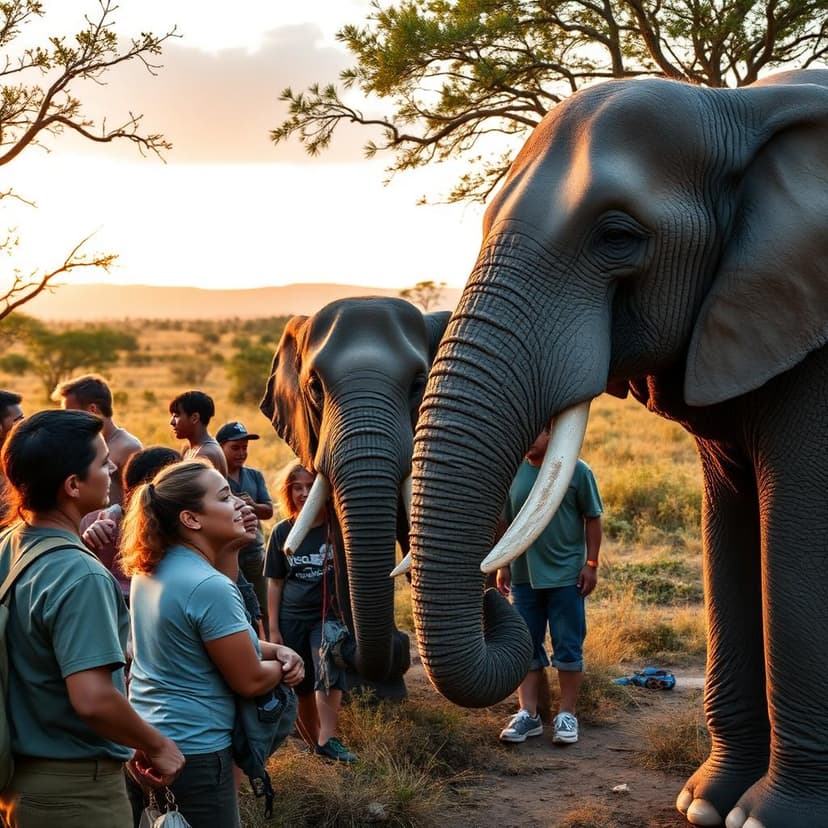
    Thailand: Elephant sanctuaries + teaching, great food, affordable

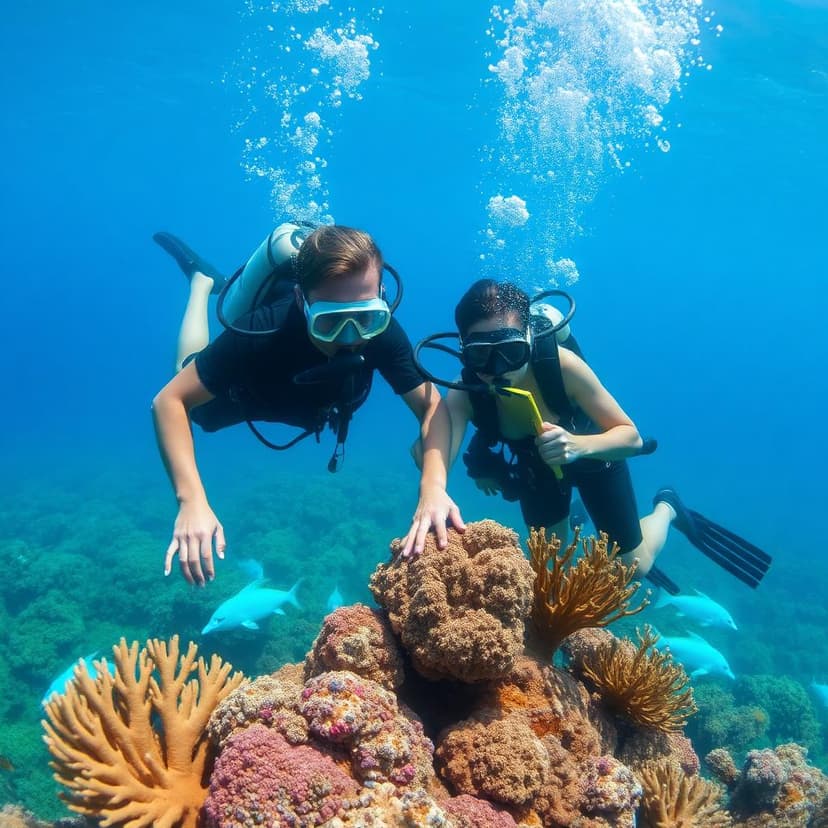
    South Africa: Wildlife monitoring + marine conservation, stunning landscapes

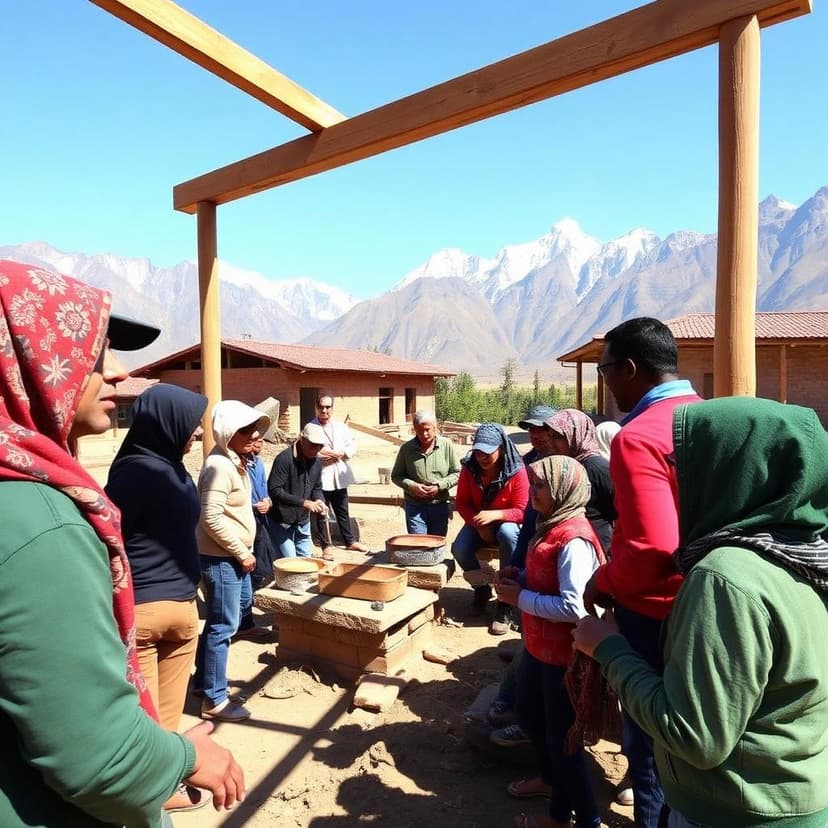
    Peru: Community development + cultural immersion, adventure opportunities

    Portugal: Environmental conservation + community projects, European comfort

    Destination Decision Framework

    Consider:

  50. Visa requirements for both partners' nationalities
  51. Climate preferences (do you both handle heat well?)
  52. Adventure vs. comfort tolerance
  53. Distance from home (jet lag affects people differently)
  54. Post-volunteering travel opportunities
  55. Step 6: Prepare as a Team

    Pre-Departure Checklist for Couples

  56. [ ] Complete health checks and vaccinations together
  57. [ ] Coordinate packing to avoid duplicates
  58. [ ] Share digital copies of all documents
  59. [ ] Agree on a communication plan with family
  60. [ ] Discuss expectations honestly (including worst-case scenarios)
  61. [ ] Set ground rules for disagreements abroad
  62. [ ] Plan at least one special date or excursion
  63. The "Difficult Conversations" List

    Have these talks before you go:

  64. What if one of us gets seriously homesick?
  65. How will we handle disagreements in front of other volunteers?
  66. What's our policy on individual vs. couple socializing?
  67. How much alone time does each person need daily?
  68. What if one of us wants to extend and the other doesn't?
  69. On the Ground: Couple Success Tips

    Maintain Your Own Identities

    You're a couple, but you're also individuals:

  70. Make your own friends within the volunteer group
  71. Pursue at least some separate activities
  72. Have independent reflection time (journaling, walking)
  73. Share your individual insights and growth with each other
  74. Be Each Other's Anchor

    The volunteer environment is intense. Use your partnership as a strength:

  75. Debrief together at the end of each day
  76. Celebrate each other's contributions
  77. Be a safe space for processing difficult emotions
  78. Back each other up in group dynamics
  79. Remind each other why you came
  80. Being a couple in a group of mostly individual volunteers requires awareness:

  81. Don't become an exclusive unit—include others
  82. Avoid excessive PDA (respect different cultural norms)
  83. Participate actively in group activities
  84. Share your travel experiences and tips generously
  85. If conflict arises between your partner and another volunteer, stay neutral initially
  86. Find couple-friendly volunteer programs at volunteertotheworld.com →

    Coming Home as a Stronger Couple

    Post-Trip Reflection

    When you return, process the experience together:

  87. What was each person's highlight and low point?
  88. What did you learn about each other?
  89. How has the experience changed your relationship?
  90. What habits from the trip do you want to keep?
  91. Would you do it again? Where?
  92. The couples who volunteer together and process the experience intentionally often describe it as a relationship milestone on par with other major life events.

    Conclusion

    Choosing a volunteer program as a couple is an exercise in partnership—the same skills that make volunteering work (communication, flexibility, shared purpose) are the skills that make relationships work.

    Take the time to choose together, prepare together, and reflect together. You won't just help a community—you'll discover new dimensions of your partnership.

    For related reading, see [Volunteering as a Couple: Strengthening Your Relationship](/blog/volunteering-as-couple-abroad) and [Couples Who Volunteer Together: 5 Inspiring Stories](/blog/couples-volunteer-together-stories).

    Ready to Start Your Volunteer Journey?

    Explore ethical programs in Kenya, Nepal, Thailand, and more.

    View Programs on VolunteerToTheWorld.com

    Maria Rodriguez
    Maria Rodriguez

    Program Coordinator

    Experienced travel coordinator helping volunteers find meaningful placements since 2018.

    Share this article:

    Related Programs on VolunteerToTheWorld.com

    Ready to take the next step? Explore verified programs related to this article.