    Early Bird 2026: Book before March 31 — 15% off your placement fee!Explore programs →

    Volunteering with Friends: Planning a Group Service Trip
    Tips

    Volunteering with Friends: Planning a Group Service Trip

    How to organize a volunteer trip with your friend group, from selecting a cause to managing group dynamics on the ground.

    James OkonkwoJames OkonkwoFebruary 3, 20267 min read

    Introduction

    A volunteer trip with friends sounds like the perfect plan: meaningful work, incredible travel, and quality time with the people you care about. And it can be all of those things—if you plan it well.

    The reality is that friend group trips require more intentional planning than solo volunteering. Different budgets, comfort levels, motivations, and expectations can create friction if left unaddressed. Here's how to plan a trip that strengthens your friendships and creates genuine impact.

    Step 1: Get Everyone on the Same Page

    The Planning Meeting

    Before anyone books a flight, gather your group and discuss:

  1. Motivation check: Why does each person want to do this? (Adventure, purpose, rĂ©sumĂ©, social media, genuine service—all are valid, but align on priorities)
  2. Budget reality: What can each person actually afford? Be honest.
  3. Time commitment: When can everyone travel, and for how long?
  4. Physical readiness: Is everyone comfortable with potentially basic living conditions?
  5. Dealbreakers: What conditions are non-negotiable for any member?
  6. "The number one reason friend group volunteer trips fall apart is unspoken assumptions. Have the awkward conversations upfront—they'll save your friendships later." — James Okonkwo

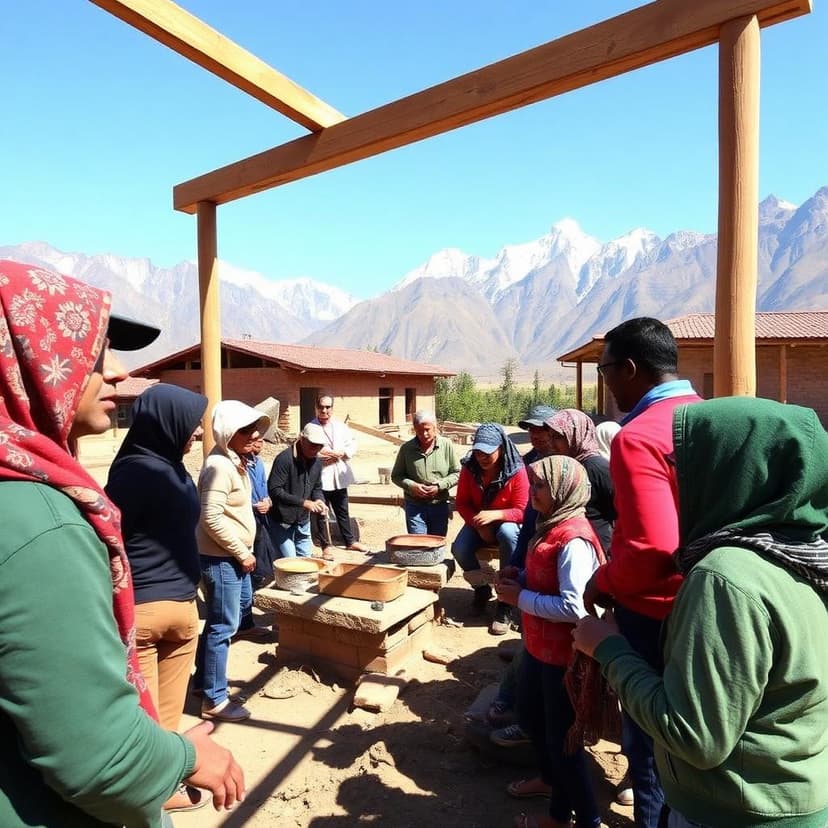
    Choosing Your Cause

    As a group, find common ground:

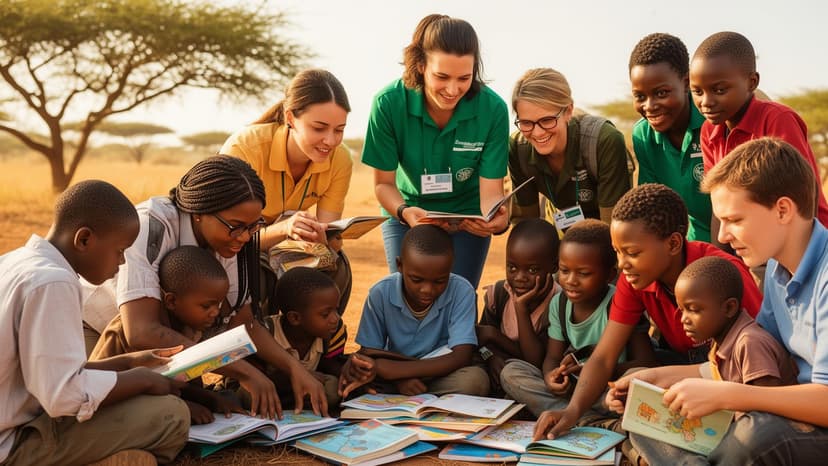
  7. What social or environmental issues do you all care about?
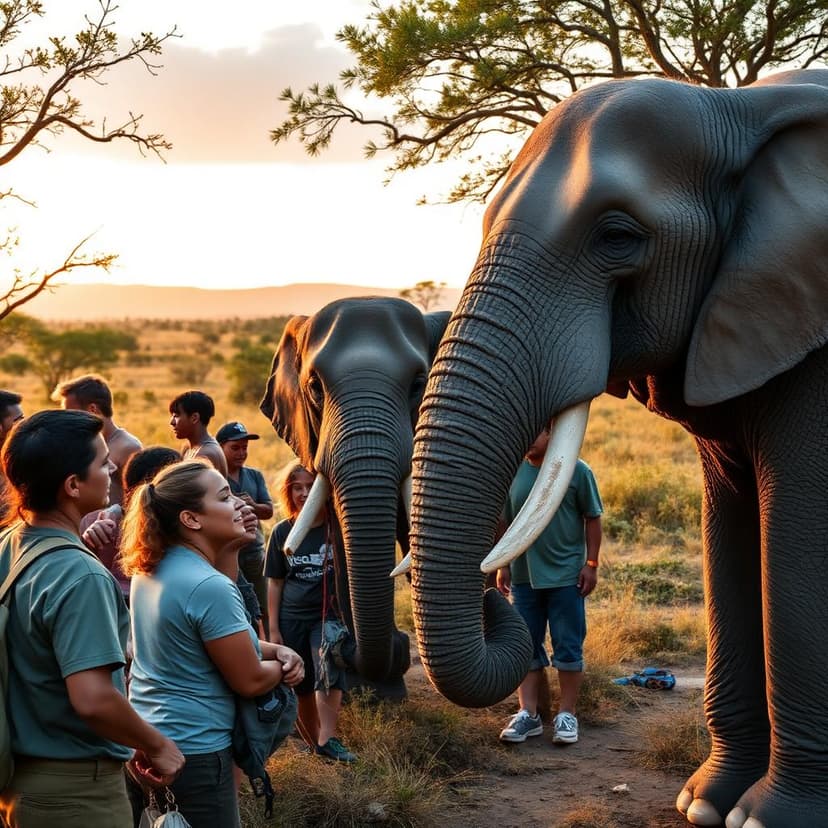
  8. Does anyone have a personal connection to a specific cause?
  9. Are there skills within the group that align with particular projects?
  10. Does anyone have a destination they've always wanted to visit?
  11. Step 2: Pick Your Program

    What to Look for in Group Programs

  12. Group accommodation: Shared houses, dorms, or guesthouses
  13. Flexible activities: Options for different skill and fitness levels
  14. Structured schedule: Enough guidance to keep the group productive
  15. Free time: Space for individual exploration and group bonding
  16. Group rates: Many programs offer discounts for groups of 4+
  17. Best Program Types for Friend Groups

  18. Construction projects: Physical work that's satisfying and social
  19. Beach/marine conservation: Outdoor activity in beautiful settings
  20. Teaching: Fun and rewarding, especially with children
  21. Wildlife conservation: Adventure and purpose combined
  22. Community development: Variety of tasks for different interests
  23. Step 3: Handle the Money

    Budget Framework

    Create a shared spreadsheet with:

  24. Program fees (per person)
  25. Flights (per person—book together for group rates)
  26. Insurance (per person)
  27. Shared expenses (group meals, transport, excursions)
  28. Personal spending money
  29. Money Tips

  30. Use apps like Splitwise to track shared expenses
  31. Set up a group fund for shared costs
  32. Be sensitive to different financial situations
  33. Agree on spending norms (daily budget, restaurant frequency)
  34. Designate one person as "group treasurer"
  35. Step 4: Assign Roles

    Every successful group trip needs designated roles:

  36. Trip Leader: Point of contact with the program, final decision-maker
  37. Treasurer: Manages group finances and tracks expenses
  38. Logistics Coordinator: Handles bookings, transport, and schedules
  39. Health & Safety Officer: Carries first aid kit, knows emergency contacts
  40. Social Coordinator: Plans group activities, excursions, and celebrations
  41. Rotate responsibilities if the trip is longer than two weeks.

    Step 5: Prepare Together

    Pre-Trip Bonding

    Build excitement and readiness:

  42. Watch documentaries about your destination together
  43. Take a first aid course as a group
  44. Learn basic phrases in the local language
  45. Have a packing party (coordinate who brings shared items)
  46. Do a local volunteer day together as a trial run
  47. Setting Ground Rules

    Agree on:

  48. Morning routines and wake-up expectations
  49. Alcohol and substance policies
  50. Social media posting guidelines (ask before tagging)
  51. How to handle disagreements
  52. Alone time vs. group time balance
  53. What happens if someone wants to leave early
  54. On the Ground: Group Dynamics

    Making It Work

  55. Check in daily: Even a quick "how's everyone doing?" prevents blow-ups
  56. Respect different paces: Some friends will want to work all day; others need breaks
  57. Eat together when possible: Shared meals are bonding moments
  58. Celebrate small wins: Finished painting a classroom? That deserves a toast.
  59. Give each other space: Spending 24/7 together tests any friendship
  60. Common Problems and Solutions

    Problem: One friend isn't pulling their weight

    Solution: Private, compassionate conversation. Ask if they're struggling with something.

    Problem: Two friends are clashing

    Solution: Temporary separation—assign them to different tasks for a day.

    Problem: The group is isolating from other volunteers

    Solution: Intentionally include others in meals, activities, and socializing.

    Problem: Someone wants to leave early

    Solution: Respect their decision without guilt-tripping. Logistics may need adjusting.

    Problem: "Volunteer by day, party by night" mentality

    Solution: Gentle reminder that behavior reflects on the group and the community.

    After the Trip: Keeping the Bond

    Debrief Together

    Hold a post-trip gathering (in person or virtual):

  61. Share your individual highlights and struggles
  62. Discuss what the experience meant to each person
  63. Talk about how it changed your perspective
  64. Plan how to stay connected to the cause
  65. Start planning the next one
  66. Continuing the Impact

  67. Organize fundraising events together
  68. Volunteer locally as a group
  69. Mentor other friend groups planning similar trips
  70. Stay connected with the community you served
  71. Share your story to inspire others
  72. Find group volunteer programs at volunteertotheworld.com →

    Conclusion

    Volunteering with friends is one of the best things you can do for your relationships and for the world. It strips away the superficial and reveals what you and your friends are truly made of.

    Plan well, communicate openly, and embrace the chaos. You'll come home with stories that start with "Remember when we..." for the rest of your lives.

    For more on group volunteering, read [Group Volunteer Programs: Everything You Need to Know](/blog/group-volunteer-programs-guide) and [Weekend and Short-Term Group Volunteering](/blog/weekend-short-term-group-volunteering).

    Ready to Start Your Volunteer Journey?

    Explore ethical programs in Kenya, Nepal, Thailand, and more.

    View Programs on VolunteerToTheWorld.com

    James Okonkwo
    James Okonkwo

    Head of Partnerships

    Former teacher with 10+ years coordinating education programs across East Africa.

    Share this article:

    Related Programs on VolunteerToTheWorld.com

    Ready to take the next step? Explore verified programs related to this article.