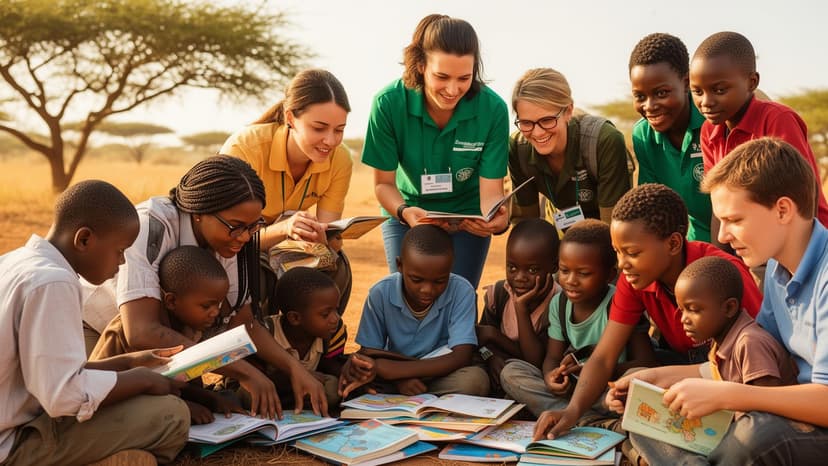
Teaching
How Teaching in Kenya Changed My Career Path
"Sarah spent three months teaching at Ombogu Primary School and returned home with a new purpose in life."
Sarah Mitchell
🌍 Early Bird 2026: Book any volunteer program before March 31 and get Book before March 31 — 15% off your placement fee!Explore programs →
"Sam navigated identity, culture, and community development as a non-binary volunteer in Medellín."
As a non-binary person, the decision to volunteer abroad came with an extra layer of anxiety that my cisgender friends didn't have to consider. Would I be safe? Would I be accepted? Would I have to go back into a closet I'd spent years fighting my way out of? These questions almost stopped me from applying. I'm so glad they didn't.
I chose a community development program in Medellín, Colombia, partly because the organization explicitly stated their commitment to LGBTQ+ inclusion and had a track record of placing queer volunteers. That transparency mattered enormously. Before I even boarded the plane, I knew I'd be supported.
My work focused on youth empowerment programs in Comuna 13, a neighborhood with a complex history of violence that has transformed itself into a vibrant cultural hub. I helped run after-school workshops on art, storytelling, and digital literacy. The kids were curious, open-minded, and full of questions — about everything, including my identity.
"Why do you use 'they'?" asked Valentina, a fifteen-year-old in my storytelling workshop. I explained, simply and honestly, that 'they' felt more like me than 'he' or 'she.' She nodded thoughtfully and said, 'Like how I feel more like Valentina than the name my father wanted.' That moment of connection transcended language and culture.
Colombia has a more complex relationship with LGBTQ+ rights than many people assume. Medellín has a visible and active queer community, and I found spaces where I could be fully myself. But I also encountered moments of misunderstanding and occasional hostility. The key was having a support network — both within the volunteer organization and in the local LGBTQ+ community I connected with.
The program coordinator, Diego, was an openly gay Colombian man who became a mentor and friend. He helped me navigate cultural nuances I wouldn't have understood on my own and connected me with local queer activists doing incredible grassroots work. Through him, I realized that LGBTQ+ solidarity is a global thread that connects communities everywhere.
I left Medellín with a deeper understanding of intersectionality — how identity, class, geography, and history all shape the experience of being queer. I also left with lifelong friendships, better Spanish, and the knowledge that being visibly queer while doing meaningful work is itself a form of advocacy. My advice to other LGBTQ+ people considering volunteering abroad: do your research, choose inclusive organizations, and don't shrink yourself. The world needs all of you.
"Sarah spent three months teaching at Ombogu Primary School and returned home with a new purpose in life."
Sarah Mitchell
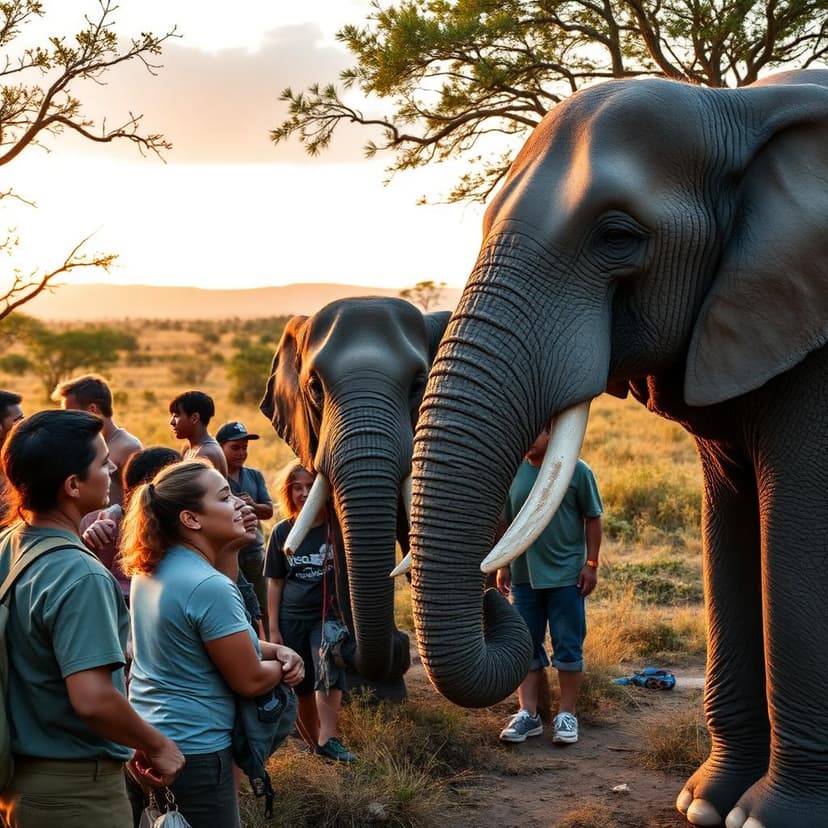
"James left his corporate job to spend 6 months at a wildlife sanctuary. Now he's a full-time conservationist."
James Chen