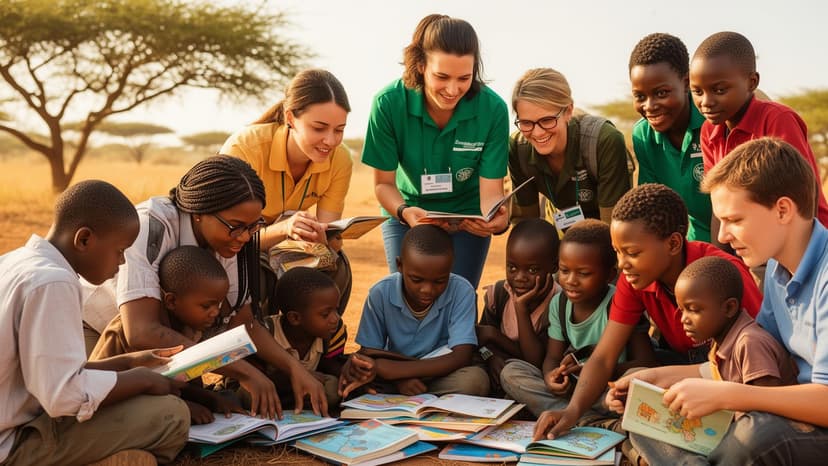
Teaching
How Teaching in Kenya Changed My Career Path
"Sarah spent three months teaching at Ombogu Primary School and returned home with a new purpose in life."
Sarah Mitchell
🌍 Early Bird 2026: Book any volunteer program before March 31 and get Book before March 31 — 15% off your placement fee!Explore programs →
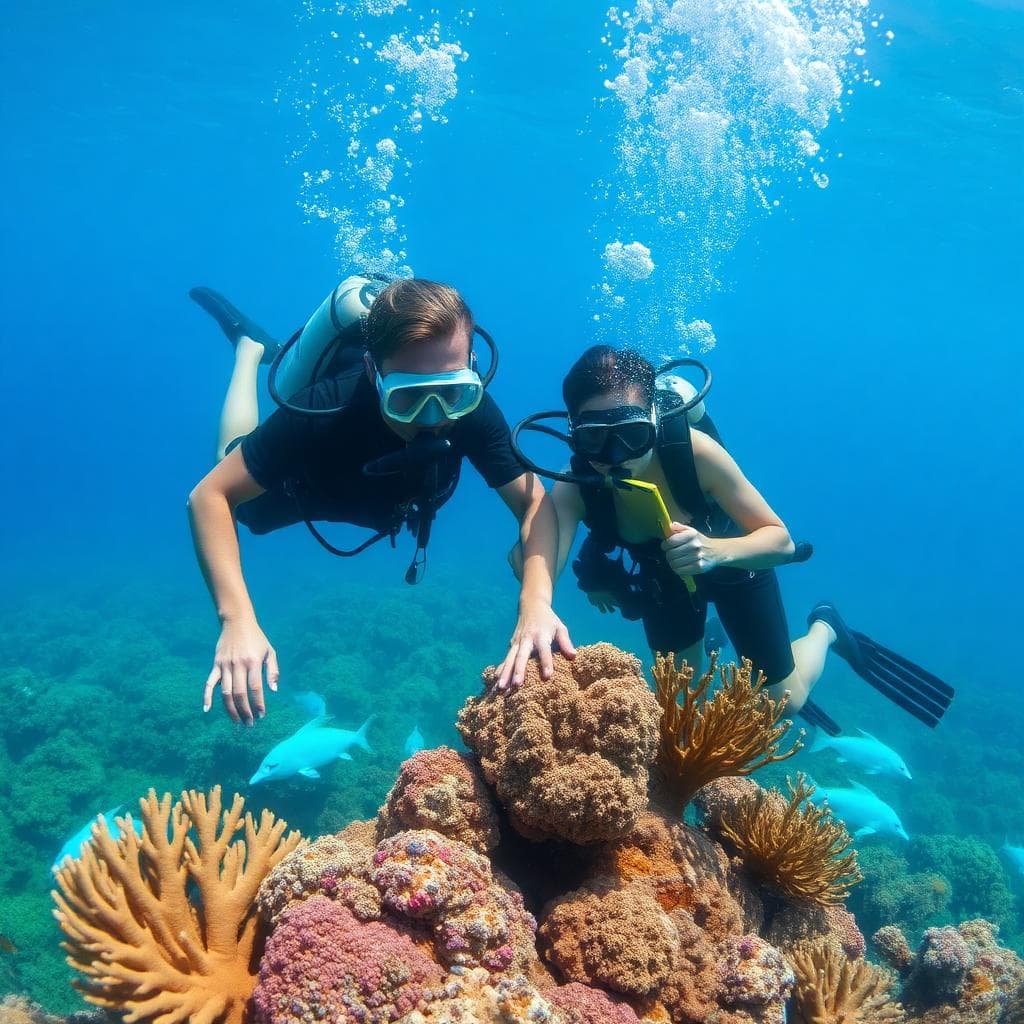
"Aisha balanced remote UX design work with teaching coding classes at a Thai school — proving you can do both."
The digital nomad lifestyle gets romanticized on social media — laptop by the beach, sunset coworking sessions, unlimited freedom. The reality, after eighteen months of it, was loneliness, erratic Wi-Fi, and the nagging feeling that I was consuming beautiful places without giving anything back. That's what brought me to a volunteering program in Chiang Mai.
I found an organization that specifically accommodated working volunteers. The arrangement was straightforward: I'd work my regular UX design job in the mornings (my clients were in Europe, so the time difference worked perfectly), and in the afternoons I'd teach basic coding and digital skills at a local school. Three months, structured and purposeful.
The school served children from hill tribe communities who had limited access to technology. Most had never used a computer. Starting from absolute zero was both challenging and exhilarating. I designed a curriculum that used visual tools — Scratch for coding, Canva for design — that didn't require strong English skills.
"Teacher Aisha, I made the cat dance!" screamed twelve-year-old Niran when his first Scratch animation worked. His joy was so pure and infectious that the entire class erupted in cheers. These were kids who had been told that technology wasn't for them, and here they were, creating things on screen within their first week.
Balancing work and volunteering required discipline. My mornings started at 6 AM with client calls, followed by focused design work until noon. After lunch at the school canteen (the best pad thai I've ever eaten, every single day), I'd teach from 1-4 PM. Evenings were for lesson planning, personal projects, and exploring Chiang Mai's incredible food scene.
The experience fundamentally changed my approach to UX design. Working with users who had zero tech literacy made me a dramatically better designer. I started thinking about accessibility, cultural context, and digital inclusion in ways my tech-bubble career had never required. Several of my client projects directly benefited from these new perspectives.
By the end of three months, fourteen students could build basic websites, create digital art, and write simple programs. Two of them received scholarships to a technology-focused secondary school. I left Chiang Mai with a portfolio of pro bono work I'm prouder of than any corporate project, and a model for combining remote work with volunteering that I now advocate for in the digital nomad community. You don't have to choose between earning a living and making a difference.
"Sarah spent three months teaching at Ombogu Primary School and returned home with a new purpose in life."
Sarah Mitchell
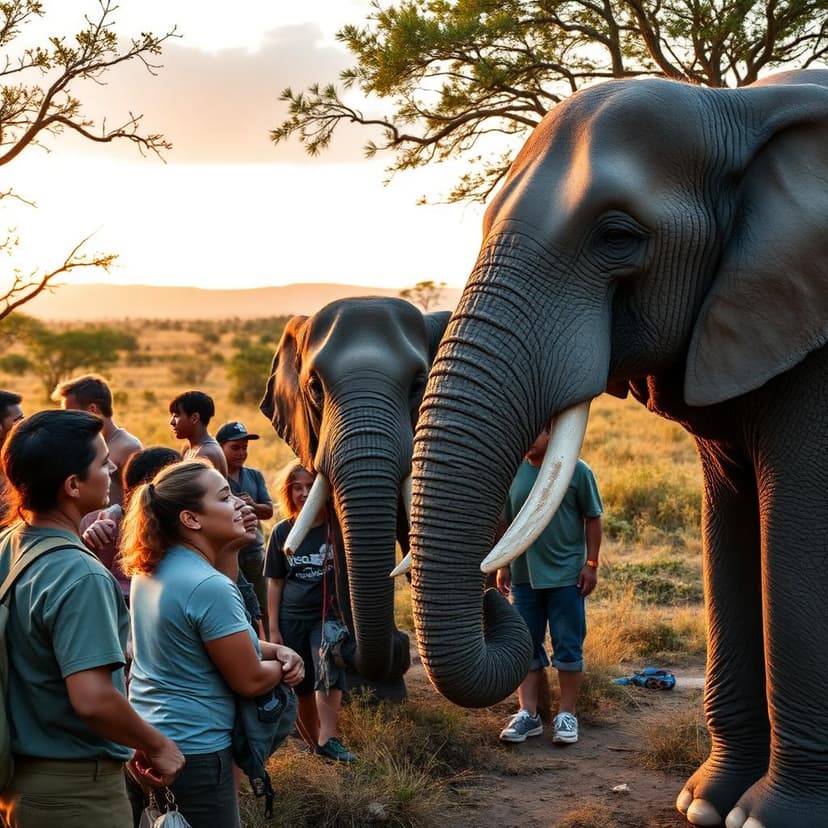
"James left his corporate job to spend 6 months at a wildlife sanctuary. Now he's a full-time conservationist."
James Chen