Teaching
How Teaching in Kenya Changed My Career Path
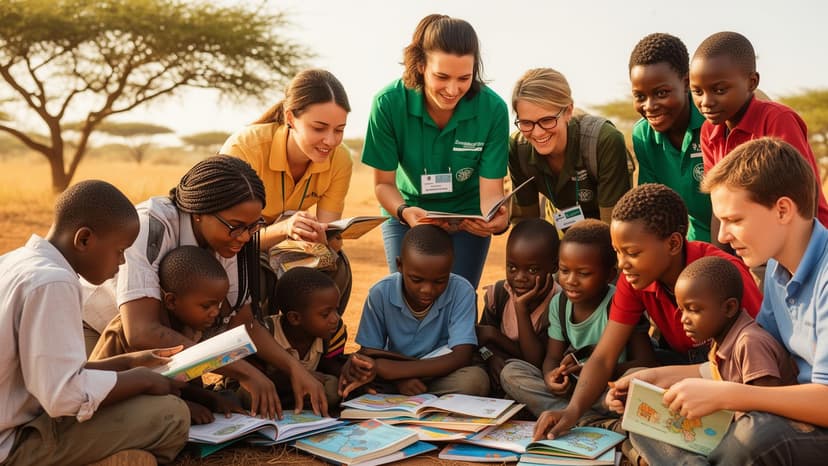
"Sarah spent three months teaching at Ombogu Primary School and returned home with a new purpose in life."
Sarah Mitchell
🌍 Early Bird 2026: Book any volunteer program before March 31 and get Book before March 31 — 15% off your placement fee!Explore programs →
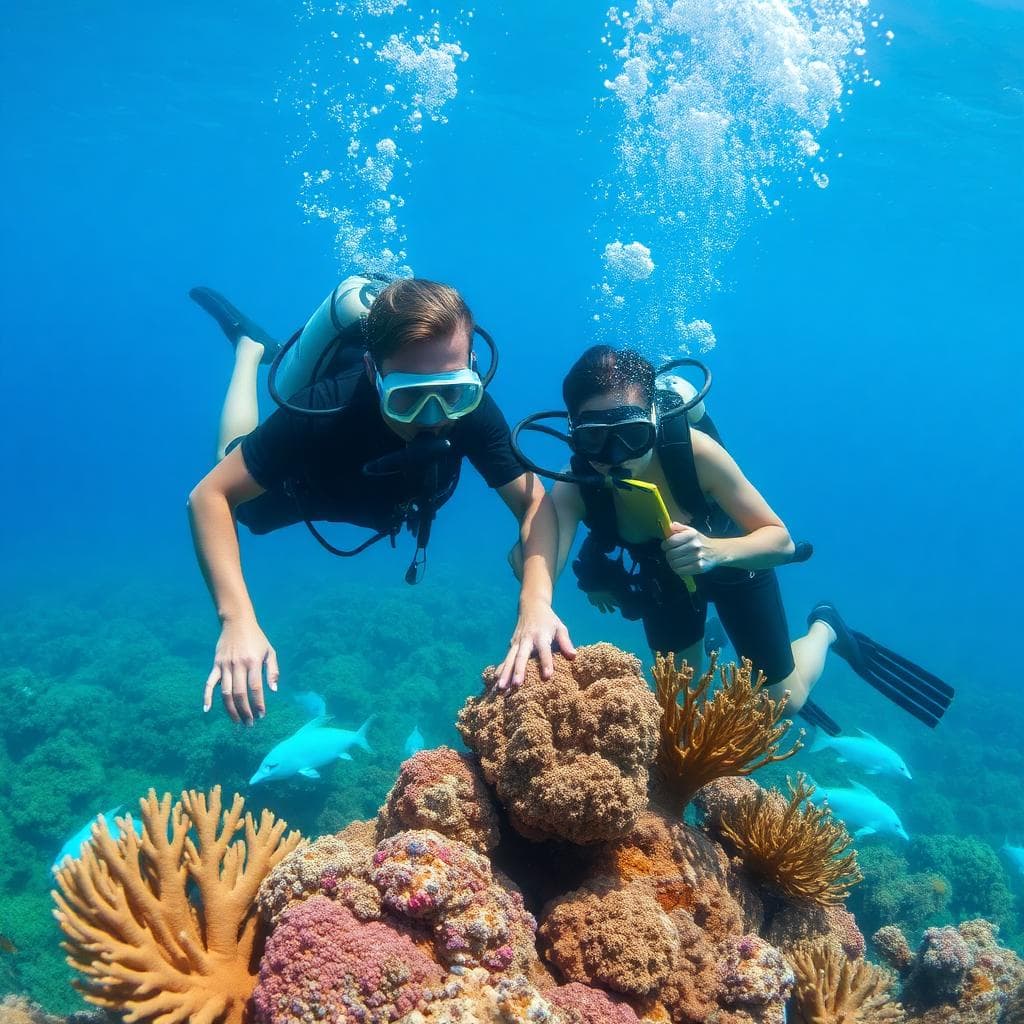
"How bringing kids ages 8 and 11 changed our perspective on volunteering and gave our family a shared sense of purpose."
My husband Marco and I had talked about volunteering abroad for years, always in that vague 'someday when the kids are older' way. Then our daughter Isabella turned eleven and our son Mateo turned eight, and we realized that someday was now or never. Children grow fast, and the window for shaping their worldview through shared experiences was closing. We found a family-friendly conservation program in Tortuguero, Costa Rica, focused on sea turtle protection and rainforest preservation. When we told the kids, Isabella was cautiously excited. Mateo wanted to know if there would be Wi-Fi. There would not be Wi-Fi. He was devastated.
Arriving in Tortuguero required a small plane flight followed by a boat ride through winding jungle canals. There are no roads to this remote village on Costa Rica's Caribbean coast. As our boat glided through the waterways, howler monkeys roared from the canopy, toucans darted between trees, and a caiman slid silently into the water beside us. Mateo, who hadn't looked up from his Nintendo Switch in months, was pressed against the boat's railing with his mouth open. 'Mom,' he whispered, 'this is better than Minecraft.' That sentence alone justified the entire trip. Our accommodation was basic but comfortable — a wooden cabin with screens instead of glass windows, ceiling fans, and the constant soundtrack of the rainforest. The kids shared a room and within the first night had named the gecko on their wall 'Carlos.'
Our daily routine was structured around conservation activities adapted for families. Mornings started with beach patrols at sunrise, walking the black sand coastline looking for turtle tracks from the night before. When we found a nest, we'd carefully count and record the eggs, check for predator damage, and mark the site for monitoring. Isabella became obsessed with the data collection, meticulously recording numbers in her field notebook with a seriousness that made the research coordinators smile. Mateo's job was sifting through sand samples to check for microplastics — a task that combined his love of digging with genuine scientific purpose. Afternoons involved rainforest trail maintenance, nursery work replanting native species, and educational sessions about Tortuguero's ecosystem.
The challenges were real and sometimes uncomfortable. The humidity was relentless — everything was damp all the time. Insects were abundant and enthusiastic. Mateo had a meltdown on day three because he missed his friends and his Xbox. Isabella got frustrated when her Spanish wasn't good enough to communicate with local kids. Marco and I had moments of doubt, wondering if we'd dragged our children into an experience they weren't ready for. But each difficult moment became a teaching opportunity. We talked about resilience, adaptability, and the difference between comfort and happiness. The kids rose to every challenge faster than we expected.
The transformative night came ten days in. We were on a supervised nighttime beach patrol — the one activity the kids had been anticipating with equal parts terror and excitement — when we witnessed a leatherback turtle hauling herself up the beach to nest. She was enormous, ancient, and utterly magnificent. We sat in complete darkness and complete silence as she dug her nest and laid over eighty eggs. Tears were streaming down Isabella's face. Mateo was gripping my hand so tight it hurt. When the turtle finally turned and dragged herself back to the ocean, Mateo looked up at me and said, 'Dad, we have to protect them.' He was eight years old, and in that moment, he understood conservation better than any textbook could teach.
The relationships our family formed in Tortuguero were unexpected and beautiful. Isabella befriended a local girl named Adriana, and despite the language barrier, they became inseparable — exploring tide pools, braiding each other's hair, and developing their own sign language when words failed. Mateo bonded with the research station's dog and with Jorge, the head ranger, who taught him to identify bird species by their calls. Marco and I connected with other volunteer families and with the local community in ways that our resort holidays had never permitted. We ate meals together, shared stories, and learned about the economic challenges facing Tortuguero's residents.
The trip changed our family in ways that are still unfolding. Isabella now wants to be a marine biologist. Mateo voluntarily limits his screen time — not because we enforce it, but because he'd rather be outside. Both kids started a school recycling initiative inspired by the microplastics work in Tortuguero. Marco and I have fundamentally rethought how we spend our family time and money. We've committed to one volunteer trip every two years, and the kids are already lobbying for our next destination. To families considering this: don't wait until your kids are older. The inconveniences are temporary, but the perspective shift is permanent. Our children learned more about the world in three weeks than in years of classroom lessons.
Get volunteer tips, destination guides, and opportunities delivered to your inbox.
"Sarah spent three months teaching at Ombogu Primary School and returned home with a new purpose in life."
Sarah Mitchell
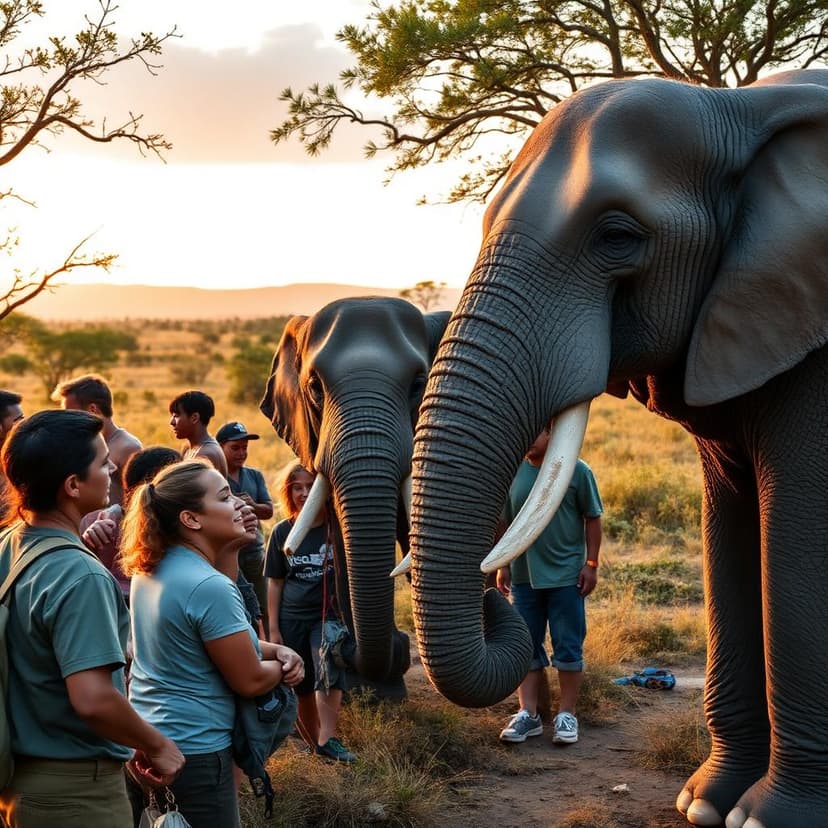
"James left his corporate job to spend 6 months at a wildlife sanctuary. Now he's a full-time conservationist."
James Chen