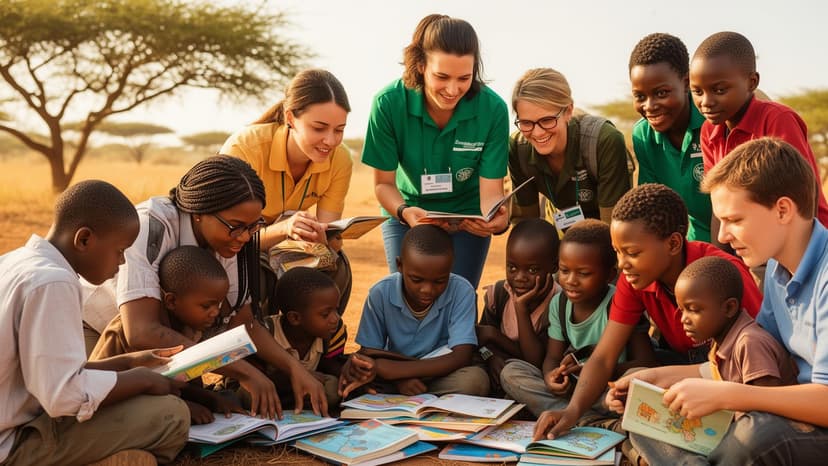
Teaching
How Teaching in Kenya Changed My Career Path
"Sarah spent three months teaching at Ombogu Primary School and returned home with a new purpose in life."
Sarah Mitchell
🌍 Early Bird 2026: Book any volunteer program before March 31 and get Book before March 31 — 15% off your placement fee!Explore programs →
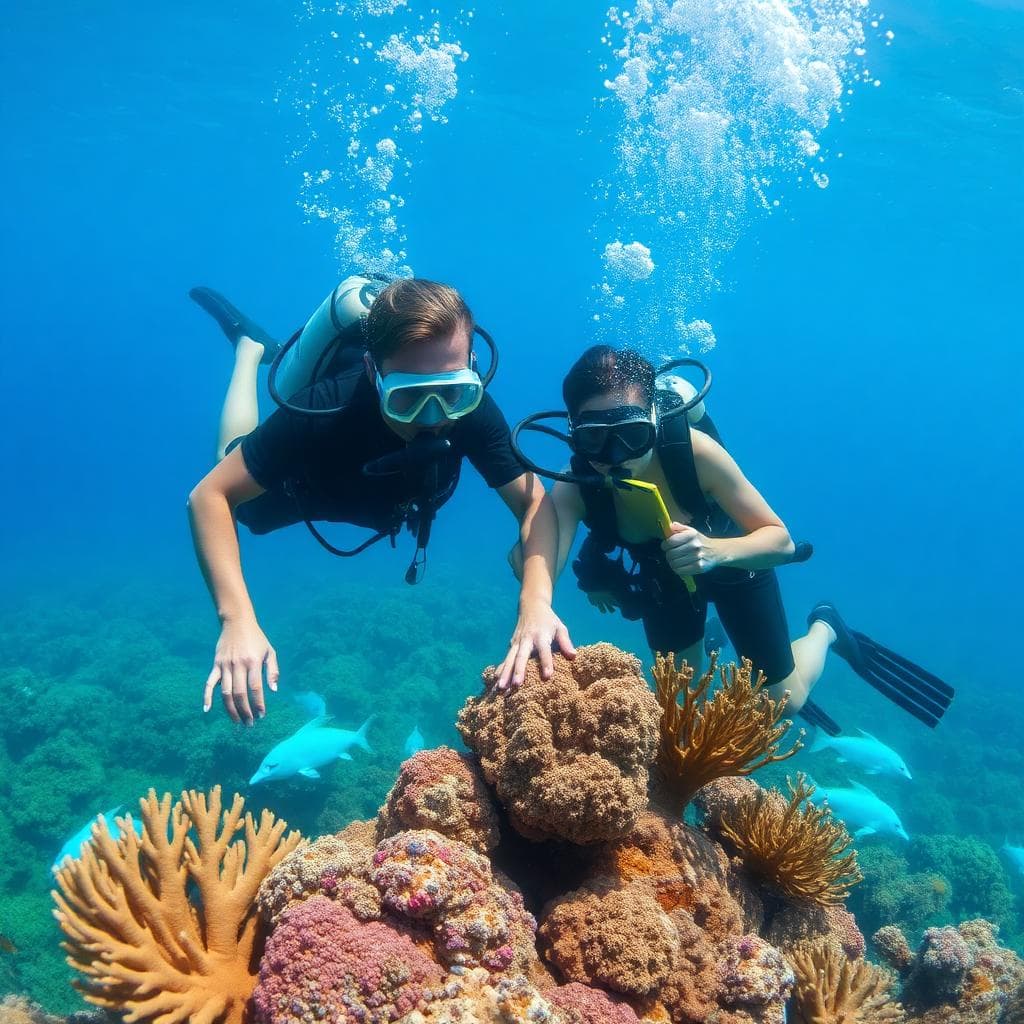
"David's passion for diving led him to a marine conservation program where he helped restore damaged reefs."
As a marine biology student, I'd read countless papers about coral reef degradation. But nothing prepared me for seeing it firsthand. When I arrived at the marine conservation center on Koh Tao, the contrast between healthy and damaged reef systems was stark and heartbreaking.
My four-month placement involved daily dive surveys, coral transplantation, and water quality monitoring. We'd typically do two dives per day — one for data collection and one for active restoration work. The rest of the time was spent in the lab analyzing samples and maintaining our coral nurseries.
The coral nursery was our pride and joy. We grew coral fragments on underwater structures, nurturing them until they were large enough to transplant onto damaged reef areas. Watching a fragment I'd personally attached months earlier thriving and growing was incredibly rewarding.
We also ran education programs for local dive shops and tourists. Teaching recreational divers about reef-safe practices — like not touching coral, using reef-safe sunscreen, and controlling buoyancy — had a tangible impact. Several dive operators changed their practices based on our workshops.
One of the highlights was discovering a previously undocumented population of seahorses at one of our survey sites. This data contributed to establishing a new marine protected area, which was a significant conservation win for the region.
Living on a small tropical island for four months sounds idyllic, and in many ways it was. But the work was physically demanding, conditions were basic, and the emotional weight of witnessing environmental degradation daily took its toll. The support of the team was essential.
This experience confirmed my career path. I'm now pursuing a Ph.D. in coral reef ecology and plan to continue fieldwork in Southeast Asia. Every dive reminds me why this work matters.
"Sarah spent three months teaching at Ombogu Primary School and returned home with a new purpose in life."
Sarah Mitchell
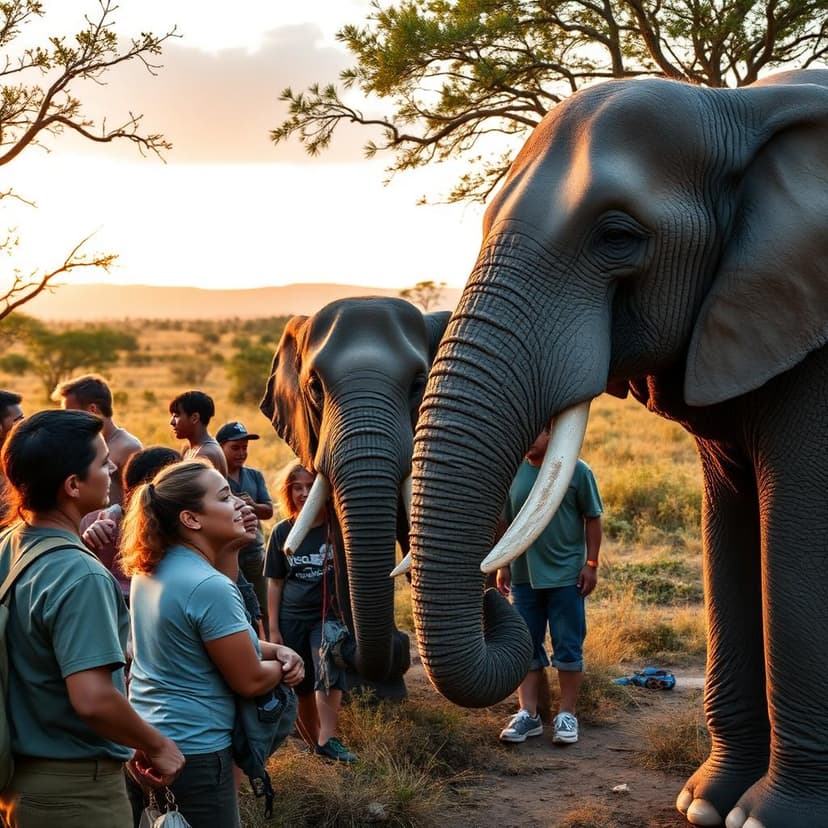
"James left his corporate job to spend 6 months at a wildlife sanctuary. Now he's a full-time conservationist."
James Chen