Teaching
How Teaching in Kenya Changed My Career Path
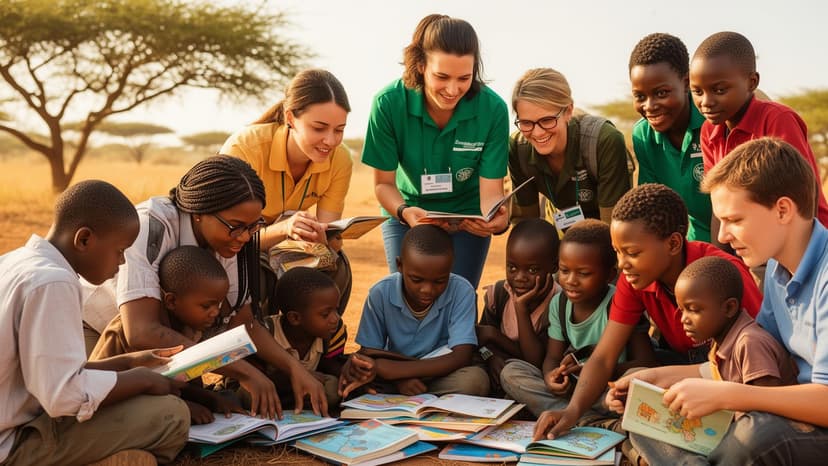
"Sarah spent three months teaching at Ombogu Primary School and returned home with a new purpose in life."
Sarah Mitchell
🌍 Early Bird 2026: Book any volunteer program before March 31 and get Book before March 31 — 15% off your placement fee!Explore programs →
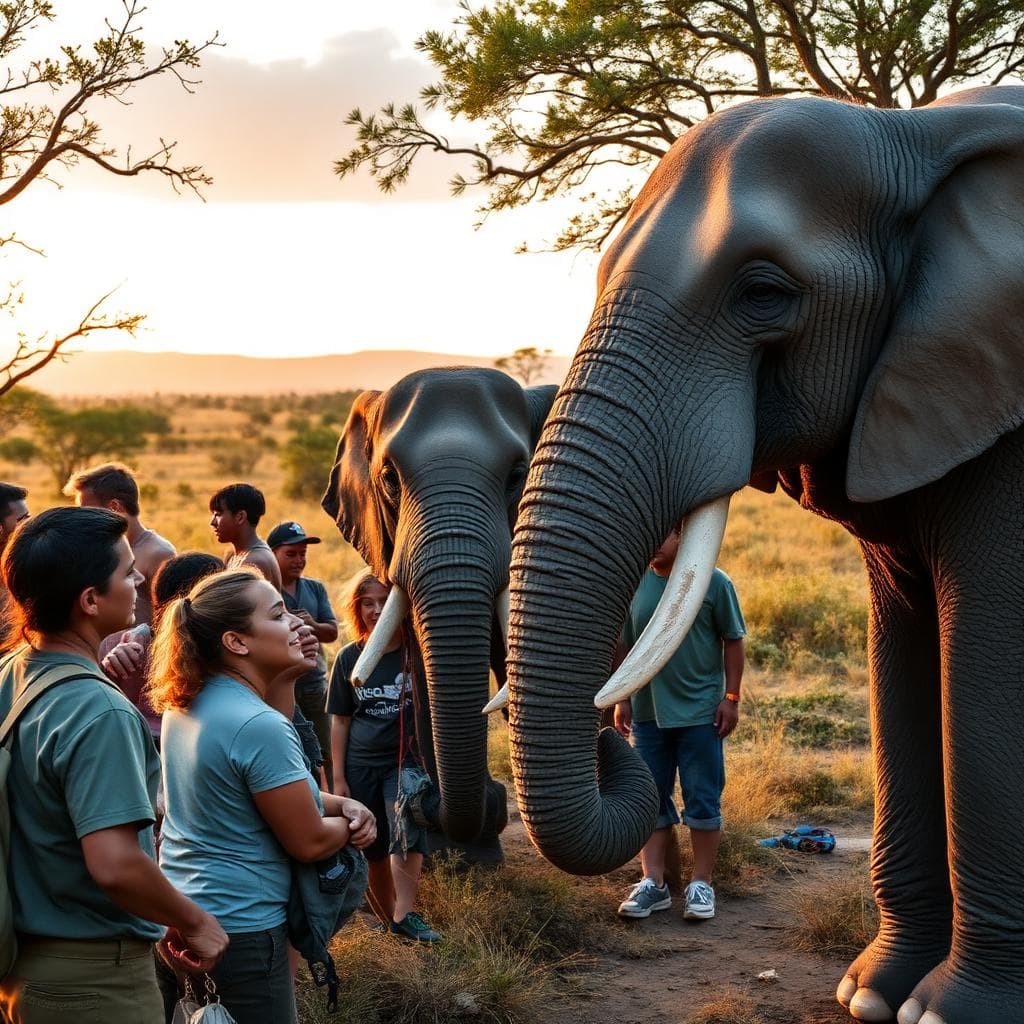
"Michael left a six-figure finance career to track the Big Five in South Africa — and never looked back."
At thirty-four, I had everything my younger self thought he wanted: a corner office at a top investment bank, a luxury apartment in Manhattan, and a watch collection worth more than most people's cars. I also had chronic insomnia, a prescription for anxiety medication, and a growing sense that I was building someone else's dream.
The breaking point came during a quarterly earnings call. While presenting numbers that would make our shareholders very happy, I felt absolutely nothing. That evening, I searched 'wildlife conservation volunteer South Africa' — a phrase that had been living rent-free in my head for years. Within a month, I'd negotiated a leave of absence and booked a flight to Johannesburg.
The program was based near the Kruger region, focused on monitoring and protecting Big Five populations — lions, elephants, rhinos, leopards, and buffalo. My first week involved learning to track animals on foot, identify species by their spoor, and use GPS equipment for population surveys. It was humbling to go from being the smartest person in a boardroom to the most clueless person in the bush.
"Your spreadsheet skills won't help you here," my mentor, a Zulu ranger named Sipho, told me with a grin on my first tracking exercise. He was right — but he was also patient. Over the following months, Sipho taught me to read the landscape like a book, and I taught him how to build databases for tracking animal movements and poaching incidents.
The anti-poaching work was sobering. I participated in night patrols, helped install camera traps, and witnessed the aftermath of a rhino poaching — an image that will never leave me. The rangers risk their lives daily for wages that wouldn't cover a single one of my old business lunches. Their courage redefined my understanding of what it means to do meaningful work.
By month six, I called my office and submitted my resignation. By month nine, I'd drafted a business plan for a conservation nonprofit that would connect corporate funding with grassroots conservation efforts. By month twelve, I'd registered the organization and secured our first three partnerships.
Today, my nonprofit channels corporate social responsibility funding directly to ranger programs and community conservation initiatives across southern Africa. I earn a fraction of my old salary, I haven't worn a suit in two years, and I sleep like a baby. Sipho is on our advisory board, and last month, we celebrated our hundredth camera trap installation. The rhinos are still here. So am I.
"Sarah spent three months teaching at Ombogu Primary School and returned home with a new purpose in life."
Sarah Mitchell
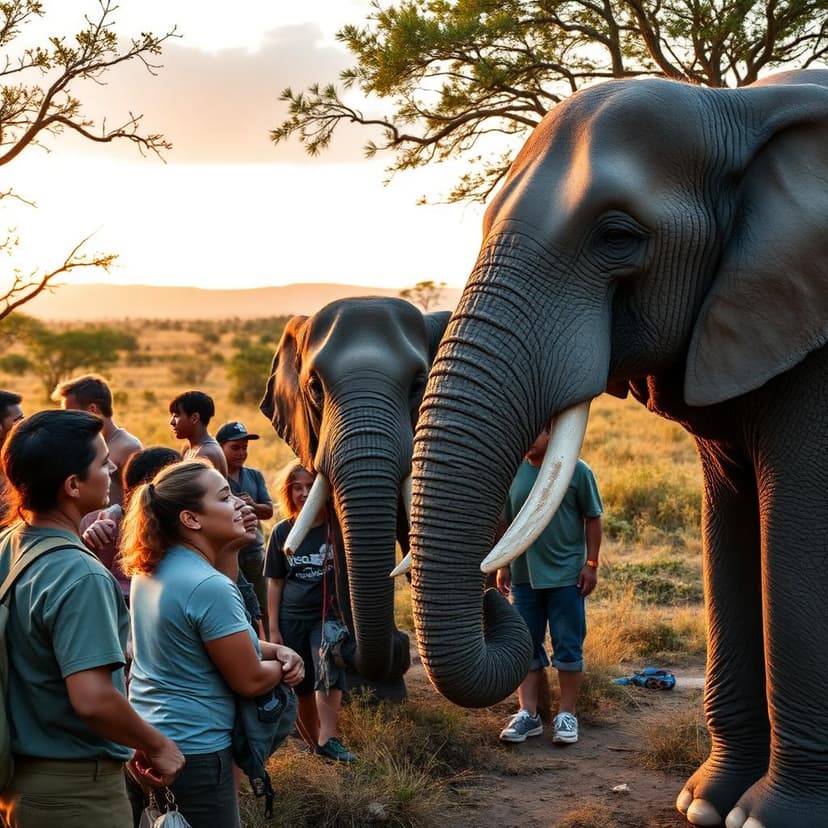
"James left his corporate job to spend 6 months at a wildlife sanctuary. Now he's a full-time conservationist."
James Chen