Teaching
How Teaching in Kenya Changed My Career Path
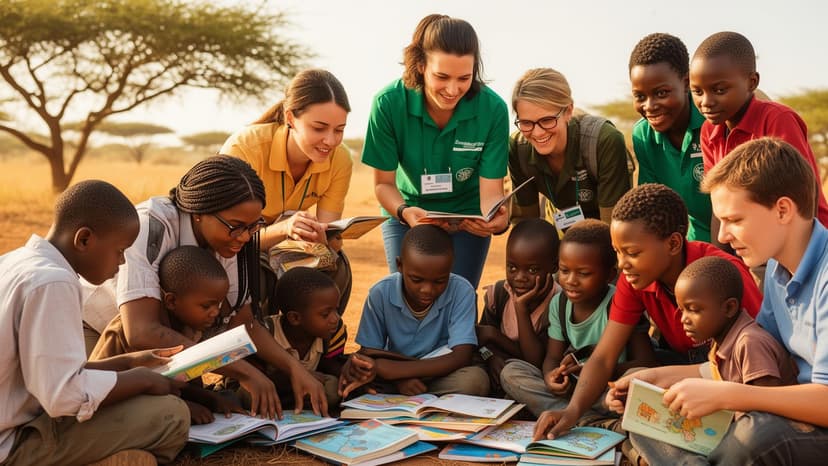
"Sarah spent three months teaching at Ombogu Primary School and returned home with a new purpose in life."
Sarah Mitchell
🌍 Early Bird 2026: Book any volunteer program before March 31 and get Book before March 31 — 15% off your placement fee!Explore programs →
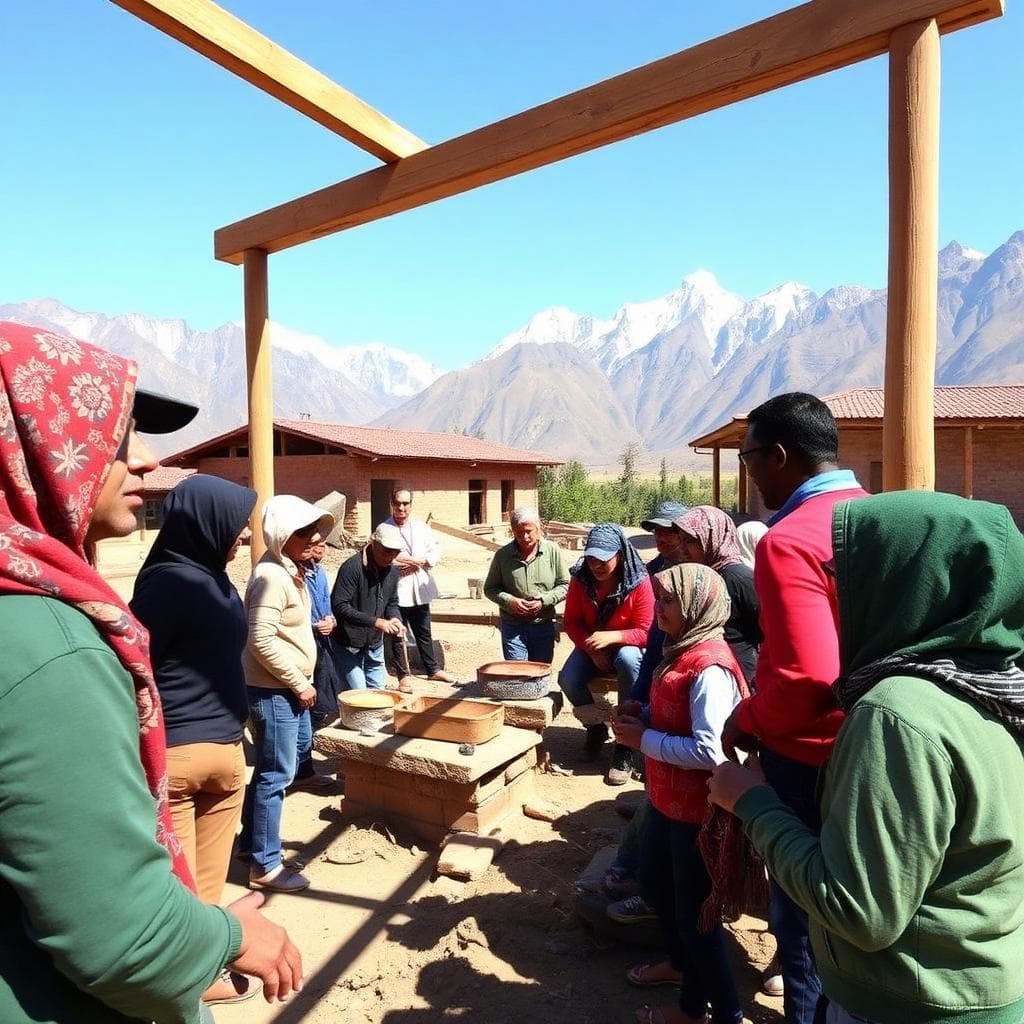
"Priya deferred university to teach English at a Buddhist monastery in Nepal and found clarity she never expected."
Everyone in my family goes straight to university. My parents are both doctors, my older sister is a lawyer, and by the time I finished sixth form, my entire family assumed I'd follow the same path. When I told them I wanted to defer my place at Edinburgh to volunteer in Nepal, the dinner table went silent.
My mother eventually supported the idea — on the condition that I'd 'come back with a plan.' I didn't tell her that not having a plan was exactly the point. At eighteen, I'd spent my entire life following a script someone else had written. I needed to find my own voice before committing to three years of study.
The monastery was perched on a hillside outside Pokhara, surrounded by terraced rice paddies with the Annapurna range as a backdrop. I taught English to monks ranging in age from eight to eighty. The younger monks were mischievous and full of energy; the older ones radiated a calm that I desperately envied.
"Why do you rush so much?" the head monk, Lama Tenzin, asked me during my first week. I didn't understand the question. I was eighteen — rushing was all I knew. But over five months of waking at 5 AM for meditation, teaching through the morning, and spending afternoons helping in the community, I began to understand what he meant.
Teaching English to the monks was rewarding but challenging. Many had never been formally educated, and our textbooks were outdated. I created lessons around their daily life — vocabulary for the market, phrases for greeting tourists, grammar through Buddhist stories they already knew. When twelve-year-old Dorje delivered his first complete English sentence — 'The mountain is my teacher' — I felt prouder than I had about any of my own exam results.
Living with minimal possessions was liberating. I had a small room, a mattress on the floor, two sets of clothes, and a journal. No social media, limited phone signal, and no pressure to be anywhere other than exactly where I was. For the first time in my life, my mind was quiet enough to hear my own thoughts.
I came home knowing two things: I wanted to study anthropology, not medicine, and I wanted to build a life that balanced achievement with presence. I switched my university course, and I've since returned to Nepal twice. Lama Tenzin writes me letters in his improving English. My mother admits, grudgingly, that the gap year was a good idea.
"Sarah spent three months teaching at Ombogu Primary School and returned home with a new purpose in life."
Sarah Mitchell
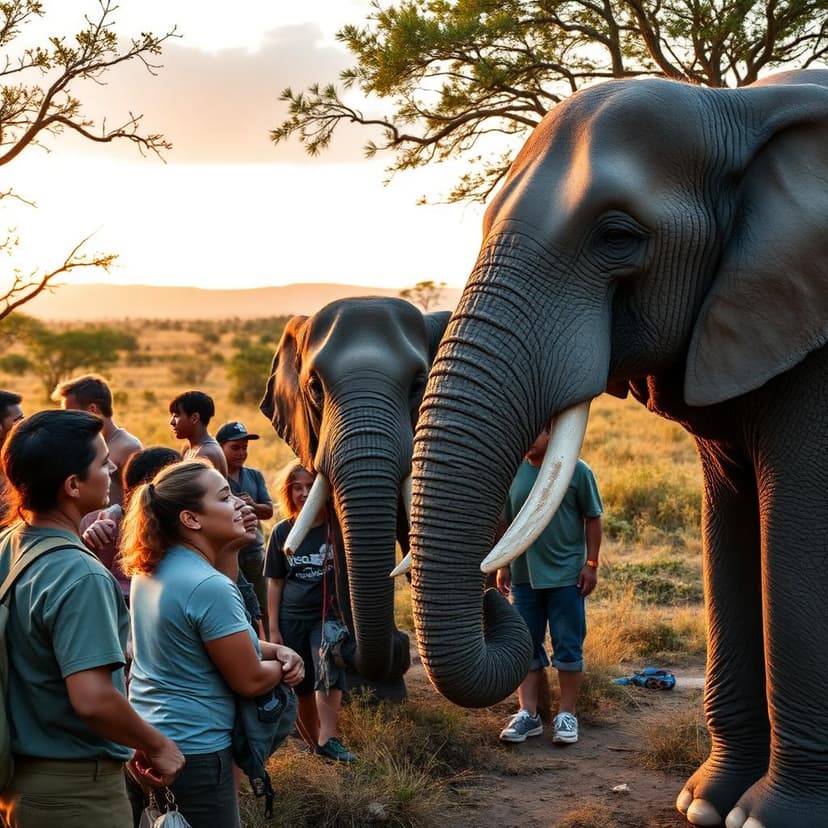
"James left his corporate job to spend 6 months at a wildlife sanctuary. Now he's a full-time conservationist."
James Chen