Introduction
As climate awareness grows, eco-volunteering has moved from a niche interest to one of the fastest-growing segments of the volunteer travel industry. But not all conservation programs deliver real environmental impact. This guide highlights 15 programs that combine scientific rigor with meaningful volunteer contributions.
What Makes a Good Eco-Volunteer Program?
Before diving into our top picks, here's what separates genuine conservation from greenwashing:
Scientific basis: Programs should be connected to ongoing research projectsMeasurable outcomes: Real conservation work tracks data and publishes resultsLocal partnerships: Effective programs work with local communities, not around themLong-term commitment: Meaningful conservation requires sustained effort over yearsVolunteer training: You should receive proper training before handling wildlife or ecosystems"If a program can't explain what data they collect and how it's used, that's a red flag. Real conservation is data-driven." — David Chen
Top 15 Eco-Volunteering Programs for 2026
Marine Conservation
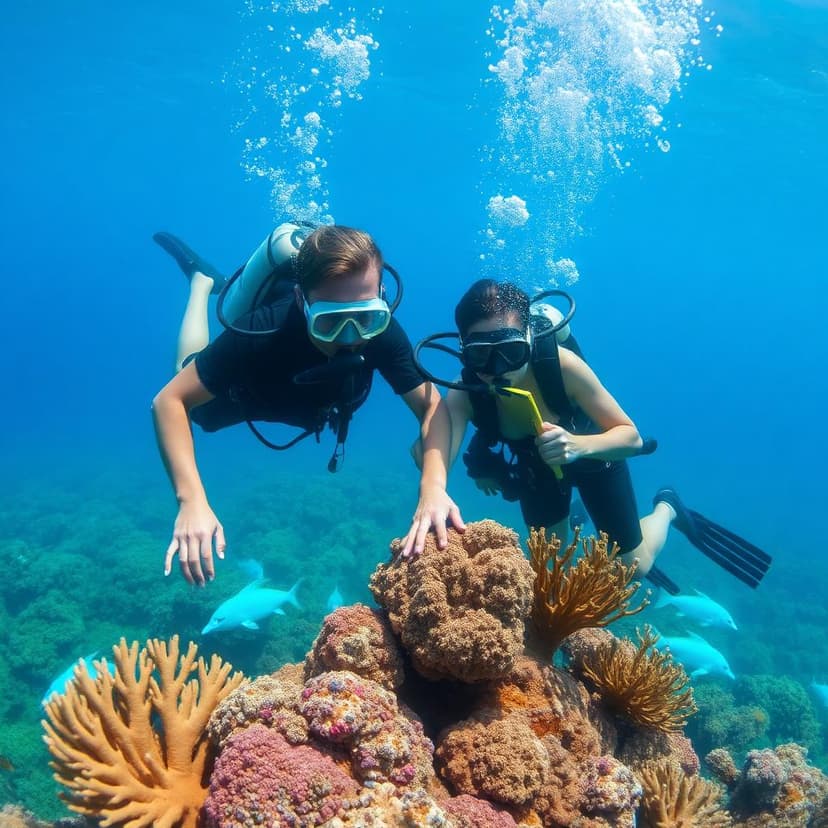
1. Coral Reef Monitoring — Great Barrier Reef, Australia
Duration: 2-8 weeksActivities: Reef surveys, water quality testing, species identificationIdeal for: Certified divers, marine biology studentsImpact: Data contributes to reef health monitoring databases2. Sea Turtle Conservation — Costa Rica
Duration: 2-12 weeksActivities: Night beach patrols, nest monitoring, hatchling releaseIdeal for: All fitness levels, no diving requiredImpact: Directly protects endangered leatherback and green turtle populations3. Whale Shark Research — Mozambique
Duration: 4-12 weeksActivities: Photo-ID surveys, behavioral observations, snorkel surveysIdeal for: Strong swimmers, photography enthusiastsImpact: Contributes to global whale shark population databaseRainforest and Terrestrial
4. Amazon Rainforest Conservation — Peru
Duration: 2-8 weeksActivities: Biodiversity surveys, reforestation, camera trap monitoringIdeal for: Adventurous types comfortable in remote settingsImpact: Protects critical primary rainforest habitat5. Orangutan Rehabilitation — Borneo, Malaysia
Duration: 4-12 weeksActivities: Habitat restoration, feeding stations, behavioral monitoringIdeal for: Patient, detail-oriented volunteersImpact: Supports rehabilitation of orphaned orangutans6. Cloud Forest Conservation — Ecuador
Duration: 2-8 weeksActivities: Trail maintenance, bird surveys, orchid propagationIdeal for: Birdwatchers, botany enthusiastsImpact: Protects one of the most biodiverse ecosystems on EarthWildlife Protection
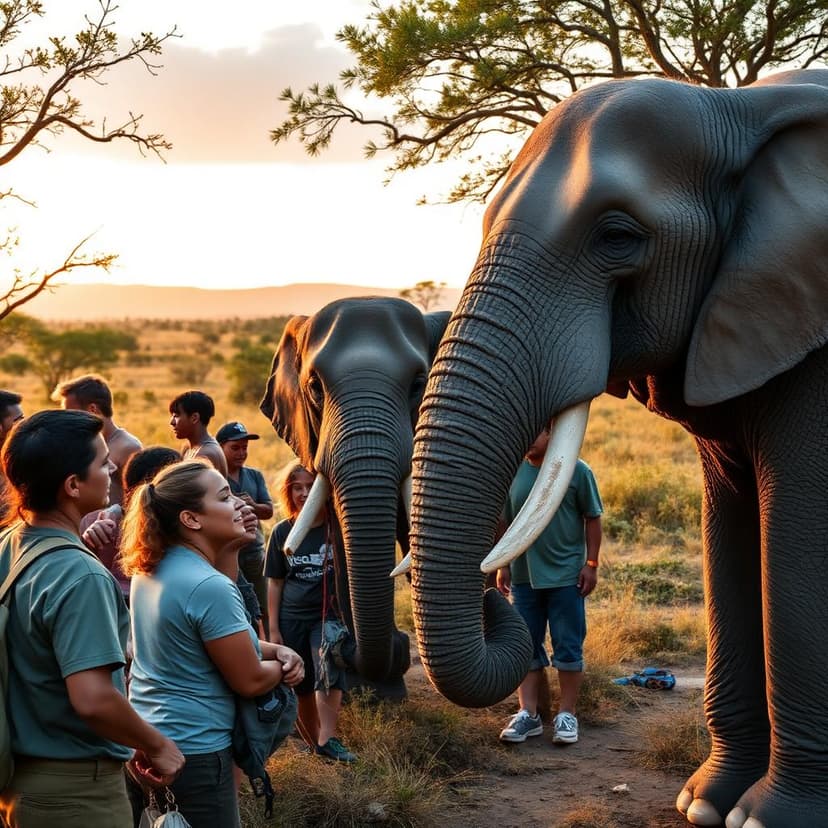
7. Elephant Conservation — Thailand
Duration: 1-8 weeksActivities: Ethical elephant care, habitat restoration, visitor educationIdeal for: Animal lovers, familiesImpact: Provides sanctuary for rescued elephants8. Big Cat Monitoring — South Africa
Duration: 4-12 weeksActivities: Camera trap management, GPS tracking, population surveysIdeal for: Wildlife enthusiasts, photography loversImpact: Contributes to predator-prey balance research9. Rhino Anti-Poaching — Kenya
Duration: 4-8 weeksActivities: Patrol support, community education, fence maintenanceIdeal for: Physically fit volunteersImpact: Directly protects critically endangered speciesClimate Action
10. Reforestation Project — Madagascar
Duration: 2-12 weeksActivities: Tree planting, nursery management, community engagementIdeal for: Anyone willing to do physical outdoor workImpact: Restoring deforested landscapes and carbon sequestration11. Renewable Energy Education — India
Duration: 4-8 weeksActivities: Solar panel installation training, community workshopsIdeal for: Engineers, electricians, educatorsImpact: Expanding clean energy access in rural communities12. Mangrove Restoration — Philippines
Duration: 2-6 weeksActivities: Planting mangrove seedlings, monitoring growth, coastal surveysIdeal for: All fitness levelsImpact: Mangroves sequester carbon and protect coastlinesSustainable Agriculture
13. Permaculture Farm — New Zealand
Duration: 2-8 weeksActivities: Organic farming, food forest design, composting systemsIdeal for: Gardening enthusiasts, sustainability advocatesImpact: Develops replicable sustainable farming models14. Sustainable Coffee Farming — Colombia
Duration: 2-6 weeksActivities: Shade-grown coffee cultivation, biodiversity monitoringIdeal for: Coffee lovers, agricultural workersImpact: Supports farmers transitioning to sustainable practices15. Urban Agriculture — Detroit, USA
Duration: 1-4 weeksActivities: Community garden development, food distribution, educationIdeal for: Those wanting to volunteer without international travelImpact: Addresses food deserts in underserved communitiesHow to Choose the Right Program
Match Your Skills
Scientific background: Choose research-focused programsPhysical fitness: Some programs involve strenuous fieldworkDiving certification: Required for marine programsTeaching skills: Valuable for education-focused conservationConsider Your Impact
Ask these questions:
What scientific publications has this program contributed to?How do you measure conservation outcomes?What is the volunteer-to-staff ratio?How does the local community benefit?What happens to the data I help collect?Browse all eco-volunteering programs at volunteertotheworld.com →
Conclusion
Eco-volunteering in 2026 offers more opportunities than ever to contribute to genuine conservation efforts. The key is choosing programs that prioritize science, community partnerships, and measurable impact over feel-good experiences.
Your time and energy are valuable resources. Invest them in programs that create lasting environmental change.
For more on conservation volunteering, read about [Climate Action Volunteering](/blog/climate-action-volunteering) and [Marine Conservation](/blog/marine-conservation-volunteering).
 David Chen