Introduction
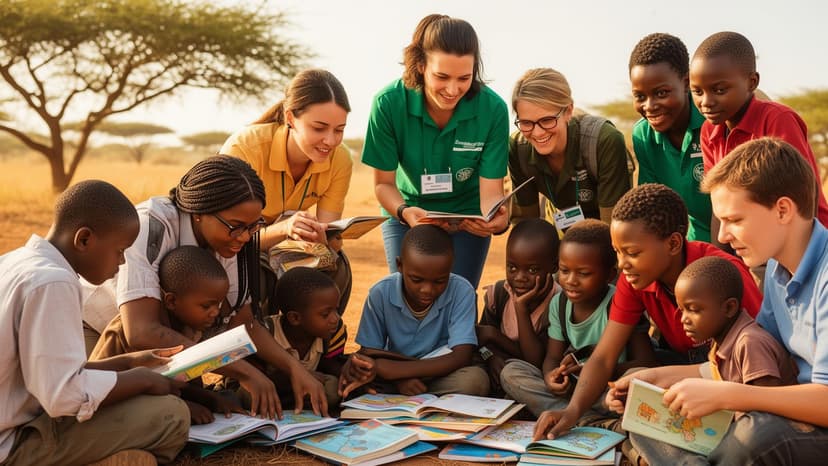
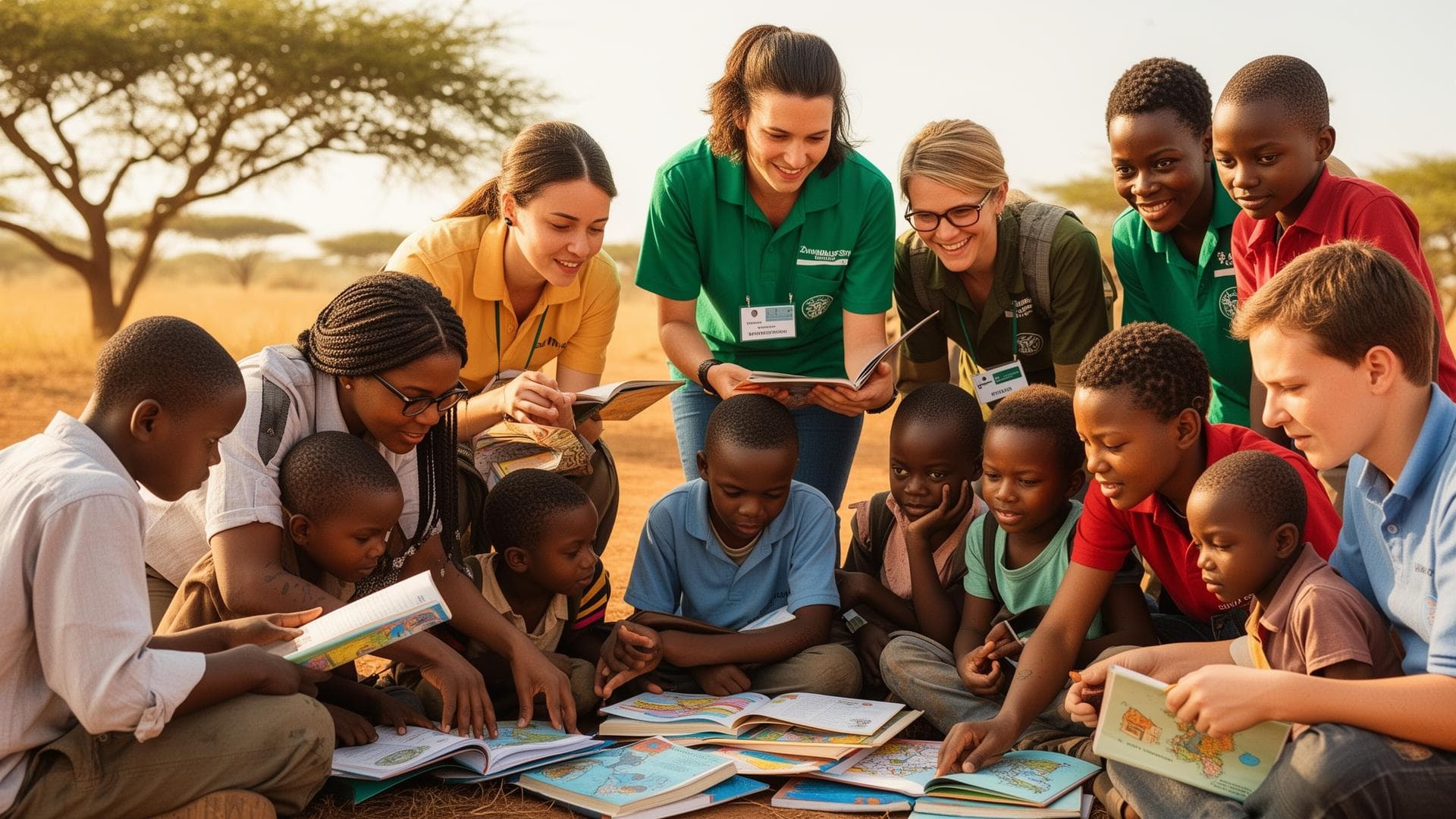
East Africa is one of the most rewarding regions for teaching volunteers. Kenya, Tanzania, and Uganda each offer unique opportunities to support education while experiencing extraordinary cultures and landscapes. But the three countries differ significantly in their educational systems, volunteer needs, and cultural contexts.
This guide compares teaching opportunities across all three nations to help you find your ideal placement.
Overview: East African Education
The Need
Despite significant progress, East Africa faces persistent educational challenges:
Teacher shortages: Rural areas often have student-to-teacher ratios of 80:1 or higherLanguage barriers: English is an official language but many students speak local languages at homeResource gaps: Schools frequently lack textbooks, supplies, and functional facilitiesGender disparity: Girls face higher dropout rates, especially in rural areasQuality vs. access: Enrollment has increased, but learning outcomes haven't kept pace"The goal isn't to replace local teachers—it's to supplement, support, and share skills that help schools build long-term capacity." — James Okonkwo
Kenya
The Educational Landscape
Kenya has one of East Africa's more developed education systems:
Free primary education since 20038-4-4 system (primary, secondary, university)English is the language of instruction from Grade 4Higher literacy rates compared to regional averagesTeaching Opportunities
Primary schools: English, mathematics, scienceSecondary schools: English literature, computer skills, business studiesCommunity centers: Adult literacy, vocational trainingSpecial needs education: A growing area of needBest Regions for Volunteers
Nairobi: Urban schools in informal settlements (Kibera, Mathare)Coast (Mombasa/Malindi): Beach-adjacent but significant povertyWestern Kenya (Kisumu): Rural communities around Lake VictoriaCentral Highlands: Tea-growing regions with scattered rural schoolsWhat to Expect
Well-structured school systems with established curriculaGenerally good infrastructure in urban areasWarm, welcoming communitiesVibrant culture and accessible safari destinationsGood public transport between major citiesTanzania
The Educational Landscape
Tanzania presents different challenges and opportunities:
Swahili is the primary language of instruction in primary schoolsEnglish becomes the language of instruction in secondary school—creating a major transition challengeLower literacy rates in rural areasRecent government investment in free educationTeaching Opportunities
English language: Particularly needed at the primary-to-secondary transitionScience and math: Chronic shortage of qualified teachersComputer literacy: Many schools have computers but no trained instructorsPre-school education: Early childhood development programsBest Regions for Volunteers
Arusha: Gateway to Serengeti and Kilimanjaro, active volunteer communityDar es Salaam: Largest city with urban school placementsZanzibar: Island setting with unique cultural contextMoshi: Popular base for Kilimanjaro climbers and volunteersWhat to Expect
Swahili language skills are more important here than in KenyaMore relaxed pace of lifeStunning natural beauty (Serengeti, Kilimanjaro, Zanzibar)Strong community bonds in rural areasLower cost of living than KenyaUganda
The Educational Landscape
Uganda faces some of the region's most significant challenges:
One of the world's youngest populations (median age ~16)Free primary education since 1997, but quality varies enormouslyEnglish is the official language of instructionNorthern Uganda still recovering from decades of conflictTeaching Opportunities
Primary education: Basic literacy and numeracyEnglish language: Demand is high across all levelsVocational training: Skills-based education for youthRefugee education: Uganda hosts over 1.5 million refugeesGirls' education: Programs targeting female dropout preventionBest Regions for Volunteers
Kampala: Capital city with diverse school typesJinja: Source of the Nile, active volunteer hubFort Portal: Western Uganda, near Bwindi gorilla trekkingGulu: Northern Uganda, post-conflict education rebuildingWhat to Expect
Incredibly warm and friendly peopleEnglish widely spoken, making communication easierSignificant need for educational supportActive volunteer community, especially in JinjaGorilla trekking and wildlife opportunitiesComparing the Three Countries
| Factor | Kenya | Tanzania | Uganda |
|--------|-------|----------|--------|
| Language of instruction | English (from Grade 4) | Swahili (primary), English (secondary) | English |
| Volunteer infrastructure | Most developed | Moderate | Growing |
| Cost of living | Higher | Lower | Lowest |
| Safari opportunities | Excellent | Excellent | Good (gorillas) |
| Visa requirements | eVisa available | eVisa available | eVisa available |
| Safety | Generally safe | Generally safe | Generally safe |
| Cultural immersion | High | Very high | Very high |
Practical Tips for Teaching in East Africa
Classroom Management
Classes can be very large (50-100+ students)Rote learning is common; interactive methods are welcomed but unfamiliarCorporal punishment may still occur—report it to your program coordinatorStudents often share textbooks (1 per 5-10 students is common)Cultural Considerations
Dress modestly, especially in rural and Muslim-majority areasTeachers are highly respected—behave accordinglyPunctuality is important in schools, even if it's flexible elsewhereLearn basic greetings in the local languageAsk permission before photographing studentsMaking Your Teaching Count
Create reusable resources: Lesson plans, flashcards, and guides that stay after you leaveTrain local teachers: Share methods, not just contentFocus on foundational skills: Literacy and numeracy have the highest impactBe patient: Progress is measured in years, not weeksStay connected: Many volunteers maintain relationships long after they leaveExplore teaching programs in East Africa at volunteertotheworld.com →
Conclusion
Kenya, Tanzania, and Uganda each offer extraordinary teaching volunteer experiences—but they're not interchangeable. Your choice should depend on your language skills, teaching experience, sense of adventure, and the type of impact you want to make.
Whichever country you choose, you'll find communities that welcome your presence and students who inspire you with their resilience and enthusiasm for learning.
For more on volunteering in Africa, read about [Volunteering in Kenya](/destinations/kenya) and [Volunteering in Uganda](/destinations/uganda).
 James Okonkwo