
 David Chen
Introduction
Elephants are among the most intelligent, social, and emotionally complex animals on Earth. They mourn their dead, form lifelong bonds, and communicate across vast distances. They're also in crisis — Asian elephants are endangered, and African elephants are under severe poaching pressure.
Volunteering at an elephant sanctuary can support these magnificent animals — but the industry is riddled with facilities that exploit elephants while marketing themselves as "sanctuaries." This guide helps you distinguish genuine sanctuaries from harmful operations.
The Elephant Tourism Problem
Recommended Reading
What's Wrong with Elephant Tourism?
Traditional elephant tourism involves:
The "Sanctuary" Problem
The word "sanctuary" is unregulated. Any facility can call itself a sanctuary, regardless of its practices. Some warning signs:
How to Identify a Genuine Sanctuary
Green Flags
✅ No riding: Under any circumstances
✅ No performances: Elephants behave naturally
✅ Large, natural habitats: Elephants roam freely in forested areas
✅ No breeding: Focus on rescue, not reproduction
✅ Veterinary care: Visible health monitoring and treatment
✅ Limited visitor numbers: Protects elephants from overstimulation
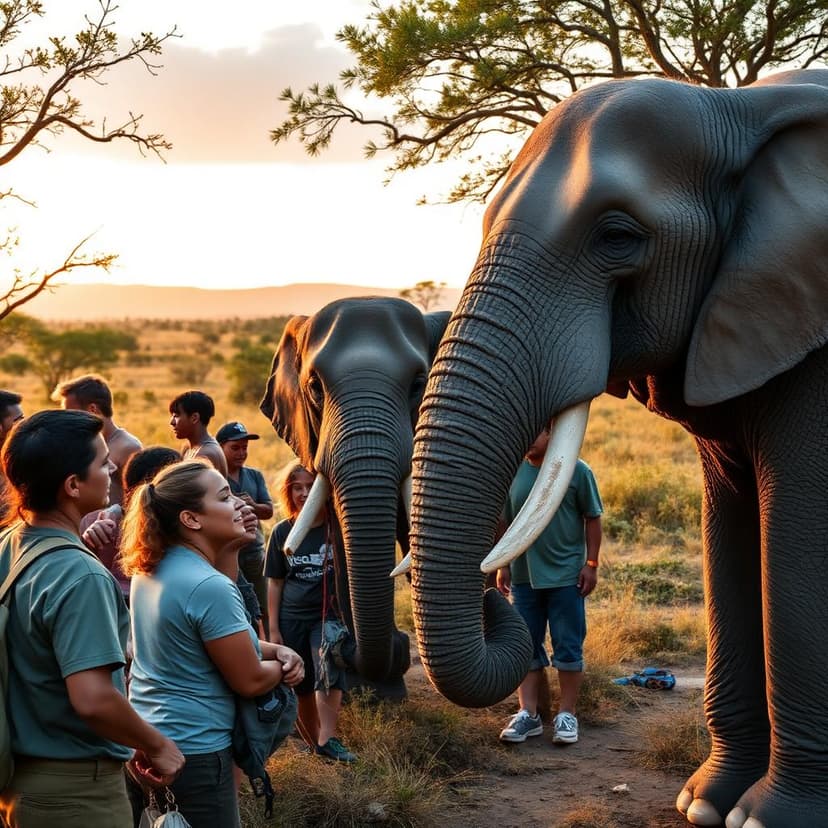
✅ Observation-based interaction: Watch from a distance rather than touching
✅ Rescue focus: Elephants are rescued from logging, tourism, or captive situations
✅ Community involvement: Local communities benefit from the sanctuary's presence
✅ Transparency: Willing to discuss their practices, funding, and challenges
Red Flags
🚩 Elephants available for selfies or direct interaction on demand
🚩 Chains visible on elephants
🚩 Bullhooks (ankus) present
🚩 Baby elephants separated from mothers
🚩 Elephants performing unnatural behaviors
🚩 High turnover of animals
🚩 Marketing focused on tourist experience rather than elephant welfare
🚩 No information about where elephants came from
What Volunteers Do at Ethical Sanctuaries
Daily Care
Research Support
Community Programs
Top Ethical Sanctuaries by Region
Thailand
Thailand has the most elephant sanctuaries — and the widest quality range.
Sri Lanka
Kenya
Cambodia
Costs
Ethical sanctuary volunteering typically costs:
Higher costs at ethical sanctuaries reflect genuine care — proper food, veterinary care, large habitats, and fair staff wages are expensive.
The Bigger Picture
Why It Matters Beyond Individual Elephants
Ethical elephant sanctuaries are shifting an entire industry:
What You Can Do Beyond Volunteering
Conclusion
Elephants deserve better than the exploitation that much of the tourism industry inflicts on them. By choosing a genuine sanctuary — one that prioritizes elephant welfare over tourist entertainment — you support a growing movement that is changing how the world treats these extraordinary animals. Do your research, ask tough questions, and let your volunteer dollars go to facilities that truly deserve them.
Find ethical animal programs →
For more wildlife volunteering, read our [Turtle Conservation Guide](/blog/turtle-conservation-volunteering).
Ready to Start Your Volunteer Journey?
Explore ethical programs in Kenya, Nepal, Thailand, and more.
View Programs on VolunteerToTheWorld.com
Conservation Specialist
Marine biologist and conservation advocate with fieldwork experience across four continents.
You May Also Like



Related Programs on VolunteerToTheWorld.com
Ready to take the next step? Explore verified programs related to this article.