Early Bird 2026: Book before March 31 — 15% off your placement fee!Explore programs →

    Turtle Conservation Volunteering: Protecting Ancient Mariners
    Guides

    Turtle Conservation Volunteering: Protecting Ancient Mariners

    Join nesting patrols, hatchling releases, and habitat restoration for endangered sea turtles.

    David ChenDavid ChenFebruary 27, 20269 min read

    Introduction

    Sea turtles have roamed Earth's oceans for over 100 million years, surviving the extinction event that wiped out dinosaurs. Today, six of seven sea turtle species are classified as threatened or endangered due to human activities — fishing bycatch, plastic pollution, coastal development, and climate change.

    Turtle conservation is one of the most popular and accessible forms of wildlife volunteering. Programs exist on every coast where turtles nest, and most welcome beginners.

    What Turtle Volunteers Do

    Nesting Beach Patrols

    The core activity at most programs:

  1. Night patrols: Walk beaches during nesting season to locate nesting females
  2. Data collection: Measure turtles, count eggs, record nest locations
  3. Nest protection: Install mesh guards against predators
  4. Nest relocation: Move at-risk nests to safer locations (hatcheries)
  5. Hatchling monitoring: Record emergence and guide hatchlings to the sea
  6. Marine Research

    For programs with marine components:

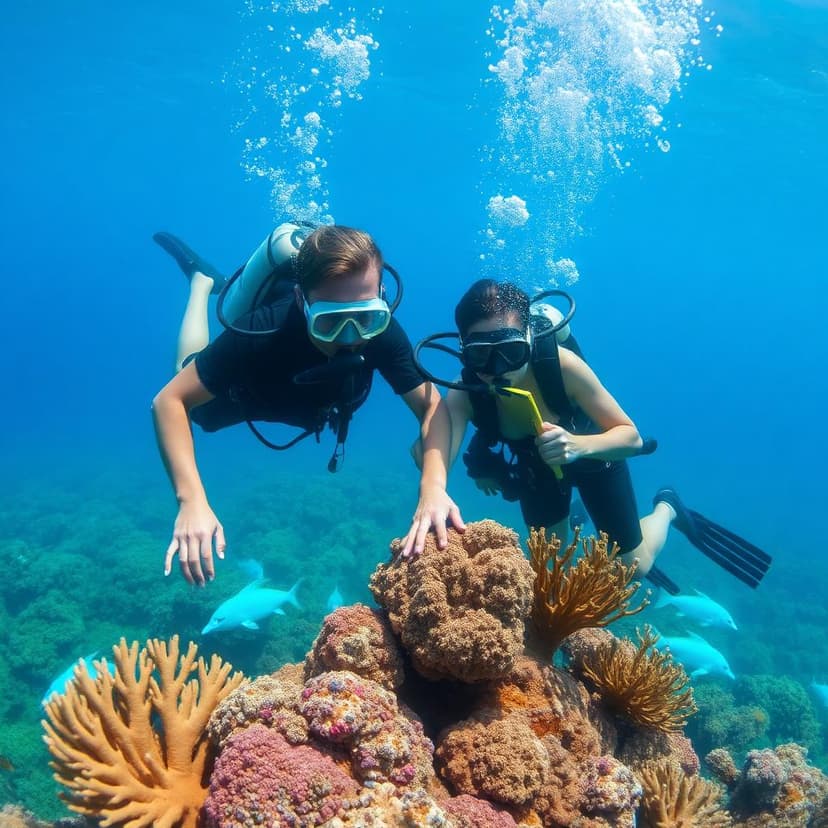
  7. In-water surveys: Snorkel or dive surveys to count and identify turtles
  8. Photo-ID: Photograph turtles for identification databases
  9. Health assessments: Assist researchers with turtle health checks
  10. Habitat monitoring: Assess seagrass beds and coral reef feeding areas
  11. Community Education

  12. School visits: Teach children about turtle conservation
  13. Community workshops: Work with fishers on reducing bycatch
  14. Tourist awareness: Educate visitors about responsible beach behavior
  15. Event organization: Coordinate community conservation events
  16. Habitat Restoration

  17. Beach cleanups: Remove debris that hinders nesting
  18. Dune restoration: Plant vegetation to stabilize nesting habitat
  19. Light pollution mitigation: Work to reduce artificial lighting near beaches
  20. Mangrove planting: Protect juvenile turtle habitat
  21. Top Destinations

    Costa Rica (Caribbean Coast)

    Season: March-October (green turtles), February-July (leatherbacks)

    Tortuguero is one of the world's most important green turtle nesting sites. Programs range from 1 week to 3 months.

    Greece (Zakynthos)

    Season: May-October

    Loggerhead sea turtles nest on beaches now threatened by tourism development. Volunteers help monitor nests and educate tourists.

    Sri Lanka

    Season: November-April (south coast), May-September (east coast)

    Five species of sea turtle nest in Sri Lanka. Programs combine hatchery work with community education.

    Mexico (Pacific and Caribbean Coasts)

    Season: June-December

    Olive ridley mass nesting events (arribadas) are extraordinary. Programs also cover greens, hawksbills, and leatherbacks.

    Malaysia (Borneo)

    Season: June-September

    Green and hawksbill turtles nest on islands off Sabah. Programs are typically island-based with snorkeling opportunities.

    What to Expect

    Daily Schedule (Example)

  22. 8:00 PM - 2:00 AM: Night patrol (during nesting season)
  23. 6:00 AM: Hatchery checks and hatchling releases
  24. 9:00 AM - 12:00 PM: Beach cleanups, data entry, or community activities
  25. Afternoons: Free time, supplementary training, or additional projects
  26. Physical Requirements

  27. Ability to walk 3-8 km on sand in darkness
  28. Comfortable working at night
  29. Swimming ability for marine-based programs
  30. Basic fitness for manual labor (beach cleanups, construction)
  31. Living Conditions

    Vary dramatically by program:

  32. Basic: Shared dormitories, cold showers, limited electricity
  33. Moderate: Private rooms, hot water, Wi-Fi
  34. Comfortable: Eco-lodge accommodation with modern amenities
  35. Important Ethical Considerations

    Hatcheries: Necessary or Harmful?

    Not all hatcheries are ethical. Ethical hatcheries:

  36. Only relocate eggs that are genuinely threatened
  37. Replicate natural nest conditions (temperature, humidity)
  38. Release hatchlings to the sea immediately — never keep them in tanks for tourists
  39. Collect scientific data
  40. Red flags: Programs that hold hatchlings for tourist selfies, sell eggs, or relocate all nests unnecessarily.

    Photography and Lighting

  41. Never use flash on nesting turtles or hatchlings
  42. Red-filtered flashlights only on the beach
  43. No white light near nesting areas — it disorients turtles
  44. Ask permission before photographing research data
  45. Making Your Contribution Count

    During Your Placement

  46. Take data collection seriously — accuracy matters for science
  47. Ask questions and learn from local staff
  48. Don't handle turtles unless instructed by researchers
  49. Follow all protocols exactly
  50. After You Leave

  51. Donate to the organization
  52. Reduce your plastic consumption
  53. Advocate for marine protected areas
  54. Choose sustainable seafood
  55. Share conservation messages (not location of nesting sites) on social media
  56. Conclusion

    Turtle conservation volunteering connects you to animals that have survived for 100 million years — and desperately need our help to survive the next century. Whether you're patrolling a moonlit beach in Costa Rica or monitoring reefs in Sri Lanka, the work is tangible, immediate, and deeply rewarding.

    Find turtle conservation programs →

    For more marine volunteering, read our [Coral Reef Restoration Guide](/blog/coral-reef-restoration-volunteering).

    Ready to Start Your Volunteer Journey?

    Explore ethical programs in Kenya, Nepal, Thailand, and more.

    View Programs on VolunteerToTheWorld.com

    David Chen
    David Chen

    Conservation Specialist

    Marine biologist and conservation advocate with fieldwork experience across four continents.

    Share this article:

    Related Programs on VolunteerToTheWorld.com

    Ready to take the next step? Explore verified programs related to this article.