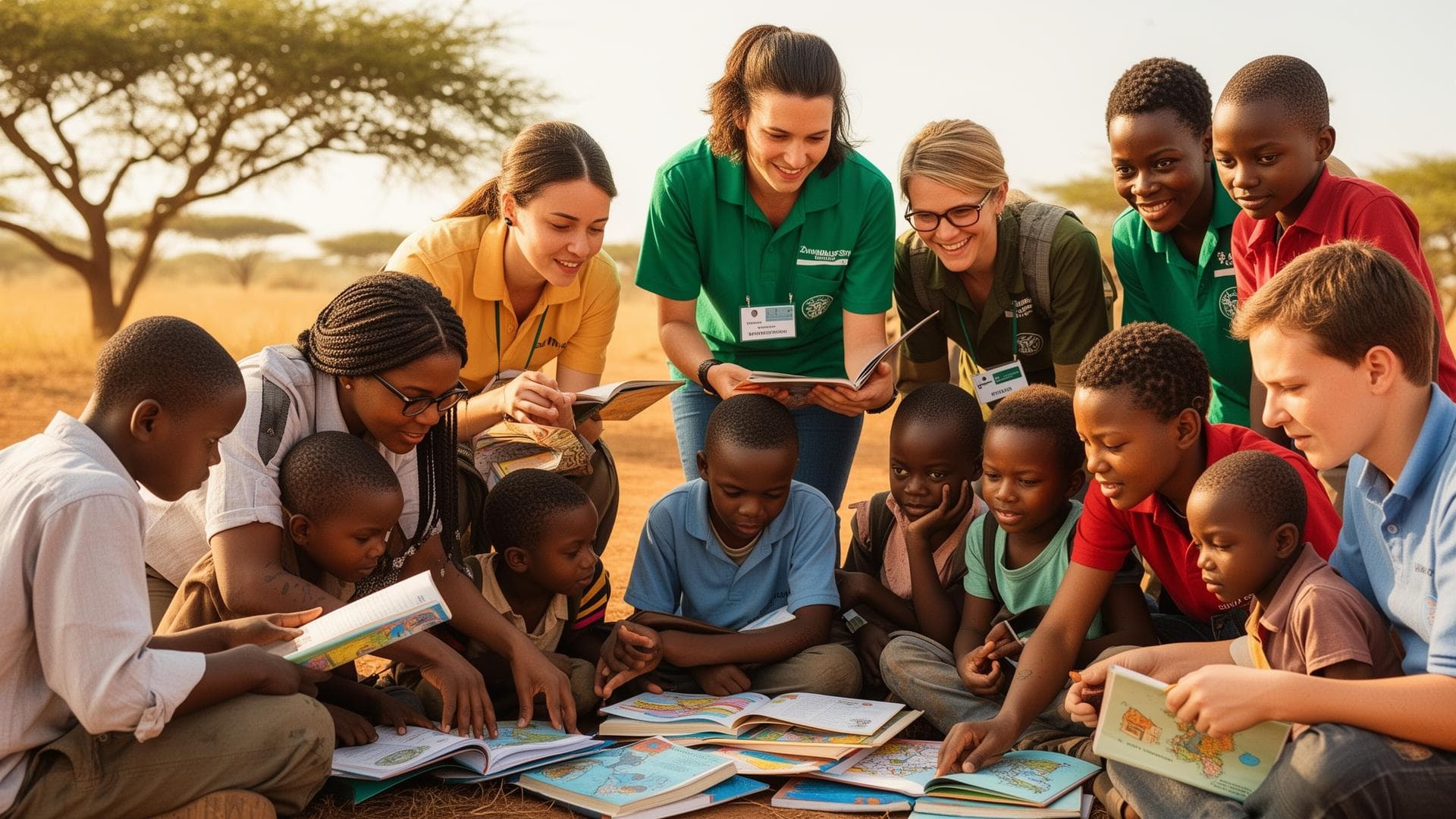
 Maria Rodriguez
Introduction
Nobody warned me. I spent three months volunteering at a community school in rural Guatemala, and I prepared meticulously for every aspect of the journey—except the return.
I expected to feel happy coming home. Instead, I cried in the cereal aisle of the grocery store, overwhelmed by 47 varieties of something I'd lived perfectly well without. I snapped at friends who complained about slow Wi-Fi. I couldn't explain why I felt so disconnected from a life I'd loved before.
This is my story—and the stories of other volunteers who discovered that coming home was harder than leaving.
My Experience: Guatemala to Grocery Store
Recommended Reading
The First Day Back
The flight landed at 11pm. My family picked me up with balloons and a welcome banner. I hugged everyone, ate pizza, and fell asleep in my own bed for the first time in three months.
It felt wonderful for about 36 hours.
The Crash
By day three, something shifted. My room felt too big. My closet felt obscene—I'd lived out of a single backpack. The constant hum of appliances, the automated everything, the sheer abundance—it wasn't comforting. It was suffocating.
I kept reaching for my phone to text Marta, my host mother, before remembering she doesn't have a smartphone. I'd look at photos of the kids I taught and feel a physical ache of missing them.
"The hardest part isn't leaving the country you volunteered in. It's leaving the version of yourself you became there." — Maria Rodriguez
The Grocery Store Moment
Two weeks in, I had what I now call my "grocery store moment." Standing in the cereal aisle, staring at an absurd number of options, I thought about the families I'd just left who eat the same rice and beans every day. Not because they love rice and beans, but because that's what they can afford.
I left the cart in the aisle and sat in my car and cried.
This wasn't rational. I knew that. But feelings rarely are.
Other Volunteers' Stories
Daniel, 26 – Kenya
"I came back from six months of wildlife conservation in Kenya and couldn't stand my corporate job anymore. Everything felt meaningless. My colleagues complained about the coffee machine being broken, and I'd just spent six months watching communities that don't have clean drinking water. I quit within three months and went back to Kenya to work full-time with the conservation program."
Priya, 34 – India
"I volunteered at a women's empowerment program in Rajasthan. When I came home to London, I felt like I was living someone else's life. My apartment was too tidy, my schedule too rigid, my social interactions too superficial. It took about four months before I found a new normal—one that included regular local volunteering and monthly donations to the program in India."
Marcus, 42 – Cambodia
"After three months building schools in Cambodia, I came home and couldn't explain what I'd experienced. People would ask 'How was your trip?' and I'd say 'Great' because how do you compress the most meaningful three months of your life into small talk? I ended up writing a blog about it, which helped enormously. Writing was my therapy."
Elena, 29 – Brazil
"What nobody tells you is that you'll feel guilty for being sad. You just had this incredible experience in an amazing country—why aren't you grateful? But gratitude and grief can coexist. I was grateful AND sad. I missed the favela community I'd worked with AND I was glad to be home. Both were true."
Understanding Reverse Culture Shock
The Four Stages
Research identifies four stages of reverse culture shock:
Why It Happens
What Helped Us
Strategies That Worked
Every returned volunteer I spoke with found their own path, but common themes emerged:
Strategies That Didn't Work
A Note to Future Volunteers
If you're reading this before your trip, I want you to know:
The discomfort of re-entry is the price of transformation. And transformation is exactly what meaningful volunteering should create.
Connect with returned volunteer communities at volunteertotheworld.com →
Conclusion
Coming home was the hardest part of my volunteer journey. But it was also the beginning of a new chapter—one where I integrated what I'd learned in Guatemala into every part of my life.
I still tear up in grocery stores sometimes. But now I channel that emotion into action: local volunteering, monthly donations, and advocacy. The experience didn't end when I boarded that plane home. It just took a different form.
If you're sitting in your car crying after a trip to the supermarket, I see you. It gets better. And what you're feeling? It means the experience mattered.
For practical re-entry strategies, read [Post-Trip Re-Entry: How to Process Your Volunteer Experience](/blog/post-trip-reentry-processing) and [Post-Volunteer Re-Entry: Adjusting to Life Back Home](/blog/post-volunteer-reentry-adjustment).
Ready to Start Your Volunteer Journey?
Explore ethical programs in Kenya, Nepal, Thailand, and more.
View Programs on VolunteerToTheWorld.com
Program Coordinator
Experienced travel coordinator helping volunteers find meaningful placements since 2018.
You May Also Like
Post-Trip Re-Entry Processing
Post-Volunteer Re-Entry Adjustment
Dealing with Reverse Culture Shock After Volunteering
From Corporate Burnout to Conservation: A Wildlife Volunteer's Journey
A Family's Volunteer Adventure: Traveling with Kids in Nepal
How Volunteering in Peru Changed My Perspective on Sustainable Development
Related Programs on VolunteerToTheWorld.com
Ready to take the next step? Explore verified programs related to this article.