Early Bird 2026: Book before March 31 โ€” 15% off your placement fee!Explore programs โ†’

    Sustainable Agriculture Volunteering: Farming for a Better Future
    Guides

    Sustainable Agriculture Volunteering: Farming for a Better Future

    Join organic farms and food security projects worldwide โ€” no farming experience required.

    David ChenDavid ChenMarch 3, 20268 min read

    Introduction

    As the world grapples with climate change, food insecurity, and soil degradation, sustainable agriculture has become one of the most impactful areas for volunteer work. From organic farms in Costa Rica to permaculture projects in India, agricultural volunteering offers hands-on learning while contributing to global food security.

    The best part? Most programs welcome beginners with no farming background.

    Types of Agricultural Volunteering

    Organic Farming

    Work on certified organic farms learning chemical-free growing methods:

  1. Crop rotation and companion planting
  2. Natural pest management
  3. Composting and soil building
  4. Seed saving and propagation
  5. Harvest and post-harvest handling
  6. Permaculture Design

    Permaculture goes beyond farming to design sustainable human habitats:

  7. Food forest design and planting
  8. Water harvesting and management
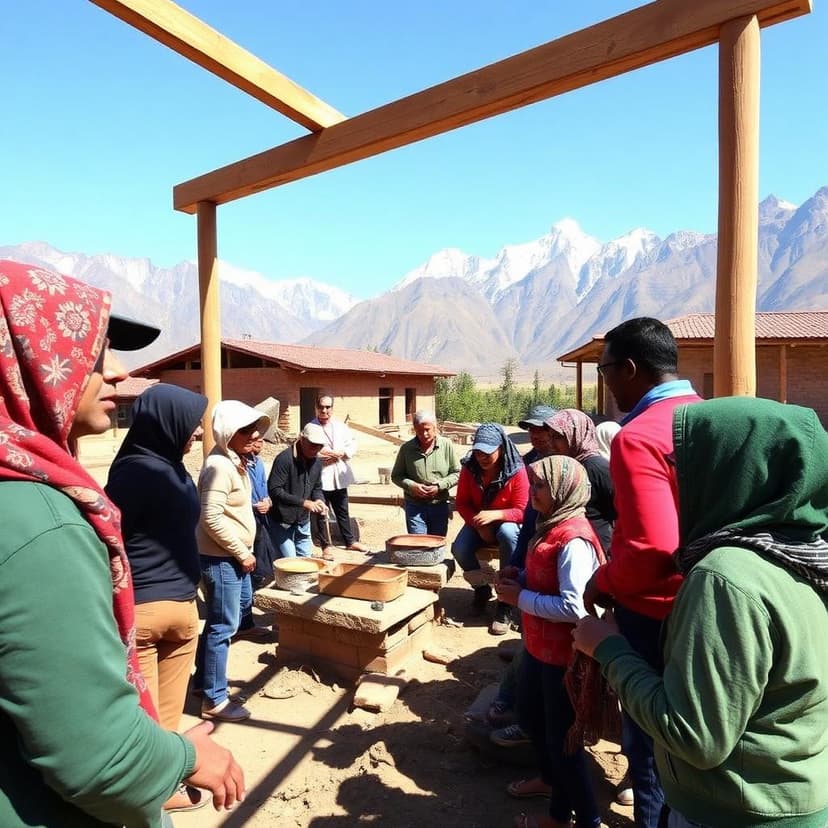
  9. Natural building techniques
  10. Integrated animal systems
  11. Community design principles
  12. Food Security Programs

    Address hunger and nutrition in developing communities:

  13. Community garden development
  14. School feeding programs
  15. Nutrition education
  16. Seed bank establishment
  17. Market access support for smallholder farmers
  18. Agroforestry

    Integrate trees with agricultural systems:

  19. Shade-grown coffee and cacao projects
  20. Fruit tree nurseries
  21. Nitrogen-fixing tree plantations
  22. Timber and non-timber forest product systems
  23. Top Destinations for Agricultural Volunteering

    Costa Rica

    Permaculture farms and organic coffee plantations in the Central Valley and Caribbean coast.

    India

    Organic farming movements in Kerala, Uttarakhand, and Auroville.

    Tanzania

    Food security and agroforestry projects supporting rural communities.

    Portugal

    Regenerative agriculture projects reviving abandoned farmland.

    Nepal

    Terraced farming support and organic vegetable production in the hills.

    What You'll Learn

    Even a 2-week placement teaches valuable skills:

  24. Practical farming skills: Planting, cultivating, harvesting
  25. Ecological understanding: How ecosystems support food production
  26. Traditional knowledge: Indigenous farming practices passed down for generations
  27. Food processing: Preservation, fermentation, value-adding
  28. Community organizing: How food projects bring people together
  29. WWOOF and Work Exchange Options

    WWOOF (World Wide Opportunities on Organic Farms) is the largest network connecting volunteers with organic farms:

  30. Available in 130+ countries
  31. Typically exchange 4-6 hours of work for food and accommodation
  32. No program fees (just WWOOF membership: $20-$50/year)
  33. Stays range from 2 weeks to several months
  34. Other work exchange platforms:

  35. Workaway: Broader range of projects including farms
  36. HelpX: Similar model to WWOOF
  37. Worldpackers: Includes farm stays and eco-projects
  38. Practical Tips

    What to Pack

  39. Work gloves and sturdy boots
  40. Sun protection (hat, sunscreen, long sleeves)
  41. Quick-dry clothing that can get dirty
  42. A good water bottle
  43. A notebook for learning
  44. Physical Demands

    Agricultural volunteering is physically demanding. Expect:

  45. Early mornings (5-6 AM starts are common)
  46. 4-6 hours of manual labor daily
  47. Working in heat, rain, or cold depending on location
  48. Bending, lifting, carrying, and digging
  49. Health Considerations

  50. Stay hydrated and use sunscreen
  51. Watch for insect bites and skin irritation
  52. Learn to identify plants you're working with (some can cause reactions)
  53. Take breaks when needed โ€” heat exhaustion is real
  54. The Impact of Agricultural Volunteering

    Your contribution matters beyond the farm:

  55. Knowledge transfer: Farmers learn new techniques; you learn traditional ones
  56. Economic support: Your fees and labor directly support farming families
  57. Seed saving: Preserving genetic diversity for future food security
  58. Soil building: Healthy soil sequesters carbon and fights climate change
  59. Community resilience: Diverse, local food systems resist economic shocks
  60. Conclusion

    Sustainable agriculture volunteering connects you to the most fundamental human activity โ€” growing food. Whether you're weeding a permaculture garden in Costa Rica or planting trees in Tanzania, you're contributing to a healthier food system and learning skills that are increasingly vital in our changing world.

    Explore agricultural programs โ†’

    For related programs, read our [Permaculture Volunteering Guide](/blog/permaculture-volunteering).

    Ready to Start Your Volunteer Journey?

    Explore ethical programs in Kenya, Nepal, Thailand, and more.

    View Programs on VolunteerToTheWorld.com

    David Chen
    David Chen

    Conservation Specialist

    Marine biologist and conservation advocate with fieldwork experience across four continents.

    Share this article:

    Related Programs on VolunteerToTheWorld.com

    Ready to take the next step? Explore verified programs related to this article.