Early Bird 2026: Book before March 31 โ€” 15% off your placement fee!Explore programs โ†’

    Permaculture Volunteering Programs: Design a Sustainable Future
    Trends

    Permaculture Volunteering Programs: Design a Sustainable Future

    Learn permaculture design principles while volunteering on sustainable farms and eco-communities.

    David ChenDavid ChenFebruary 22, 20268 min read

    Introduction

    Permaculture โ€” a contraction of "permanent agriculture" and "permanent culture" โ€” is a design philosophy that creates sustainable, self-sufficient systems by mimicking natural ecosystems. For volunteers, permaculture projects offer hands-on learning in regenerative agriculture, natural building, water management, and community design.

    It's one of the fastest-growing niches in volunteer travel.

    What Is Permaculture?

    Core Principles

  1. Observe and interact: Study natural patterns before intervening
  2. Catch and store energy: Harvest renewable resources
  3. Obtain a yield: Ensure productive output from every system
  4. Apply self-regulation: Design systems that maintain themselves
  5. Use renewable resources: Minimize dependence on non-renewable inputs
  6. 6. Produce no waste: Every output becomes an input somewhere else

    7. Design from patterns to details: Start with the big picture

    In Practice

    Permaculture projects typically include:

  7. Food forests: Multi-layered productive ecosystems
  8. Water harvesting: Swales, ponds, and rainwater collection
  9. Composting: Transforming waste into soil fertility
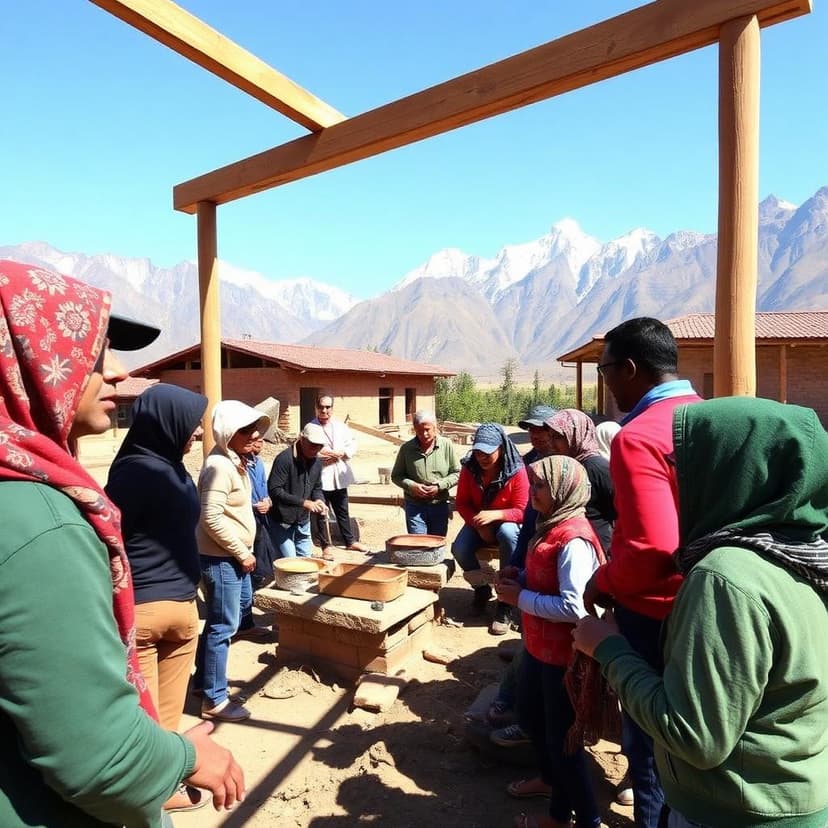
  10. Natural building: Using local materials (cob, bamboo, straw bale)
  11. Integrated animal systems: Chickens, ducks, and bees as part of the design
  12. Community governance: Decision-making and resource-sharing structures
  13. Types of Permaculture Volunteering

    Farm-Based Programs

    Work on established permaculture farms:

  14. Daily farm tasks: planting, harvesting, composting, animal care
  15. Construction projects: building beds, installing irrigation, creating habitat
  16. Processing: preserving food, making compost tea, seed saving
  17. Duration: 2 weeks to 6 months
  18. Design Course + Volunteering

    Combine a Permaculture Design Certificate (PDC) with practical service:

  19. 72-hour PDC course: The standard certification in permaculture design
  20. Practical application: Design and implement projects at the host site
  21. Duration: 2-4 weeks for the course, plus volunteering time
  22. Cost: $500-$1,500 for the course component
  23. Eco-Community Living

    Join intentional communities practicing permaculture:

  24. Share daily life and work with community members
  25. Learn consensus decision-making and communal living
  26. Contribute to ongoing community projects
  27. Duration: 1 month to 1 year
  28. Disaster Recovery Permaculture

    Apply permaculture principles to post-disaster rebuilding:

  29. Design resilient food systems for affected communities
  30. Build with salvaged and local materials
  31. Establish water collection and purification systems
  32. Train communities in sustainable self-sufficiency
  33. Top Destinations

    Costa Rica

    Tropical permaculture at its best. Programs in the Caribbean lowlands and Central Valley.

    India

    Auroville and other eco-communities offer deep permaculture immersion.

    Portugal

    The Algarve and Alentejo regions have thriving permaculture communities rebuilding degraded landscapes.

    Thailand

    Tropical food forests and sustainable living projects in the north.

    New Zealand

    Some of the most established permaculture farms in the world.

    East Africa (Kenya, Tanzania)

    Permaculture as food security โ€” programs teaching communities to grow more food with less water and no chemicals.

    What You'll Learn

    Even a 2-week placement teaches:

  34. Soil health: How to build fertile soil from scratch
  35. Water management: Harvesting, storing, and directing water
  36. Food production: Growing food in any climate
  37. Natural building: Construction with local materials
  38. Systems thinking: How everything connects
  39. Community skills: Collaboration, communication, shared work
  40. Practical Tips

    Physical Demands

    Permaculture volunteering involves:

  41. 4-6 hours of physical work daily
  42. Digging, carrying, building, planting
  43. Working in all weather conditions
  44. Early mornings (gardens need morning attention)
  45. What to Bring

  46. Work clothes that can get very dirty
  47. Sturdy boots and work gloves
  48. Sun protection
  49. A water bottle
  50. A notebook โ€” you'll want to record what you learn
  51. Food and Diet

    Most permaculture projects are vegetarian or vegan, using food grown on-site. Meals are often communal and delicious, featuring seasonal, fresh produce. If you have dietary restrictions, discuss them beforehand.

    Conclusion

    Permaculture volunteering is more than learning to garden โ€” it's learning to think in systems, to see waste as resource, and to design human habitats that enhance rather than degrade the natural world. In a time of climate crisis, these skills aren't just useful โ€” they're essential.

    Explore sustainable programs โ†’

    For related agricultural volunteering, read our [Sustainable Agriculture Guide](/blog/sustainable-agriculture-volunteering).

    Ready to Start Your Volunteer Journey?

    Explore ethical programs in Kenya, Nepal, Thailand, and more.

    View Programs on VolunteerToTheWorld.com

    David Chen
    David Chen

    Conservation Specialist

    Marine biologist and conservation advocate with fieldwork experience across four continents.

    Share this article:

    Related Programs on VolunteerToTheWorld.com

    Ready to take the next step? Explore verified programs related to this article.