 David Chen
Introduction
Wildlife conservation is in crisis. Species are going extinct at 1,000 times the natural rate. Habitats are shrinking. Poaching persists despite international efforts. In this context, volunteers can play a meaningful role — but only if they choose programs that prioritize science over spectacle.
I've spent 15 years in conservation biology, and I've seen firsthand how well-designed volunteer programs supplement professional research and protection efforts. I've also seen programs that are little more than wildlife tourism dressed up as conservation.
This guide helps you find programs where your time and money actually contribute to protecting wildlife.
Types of Wildlife Conservation Volunteering
Recommended Reading
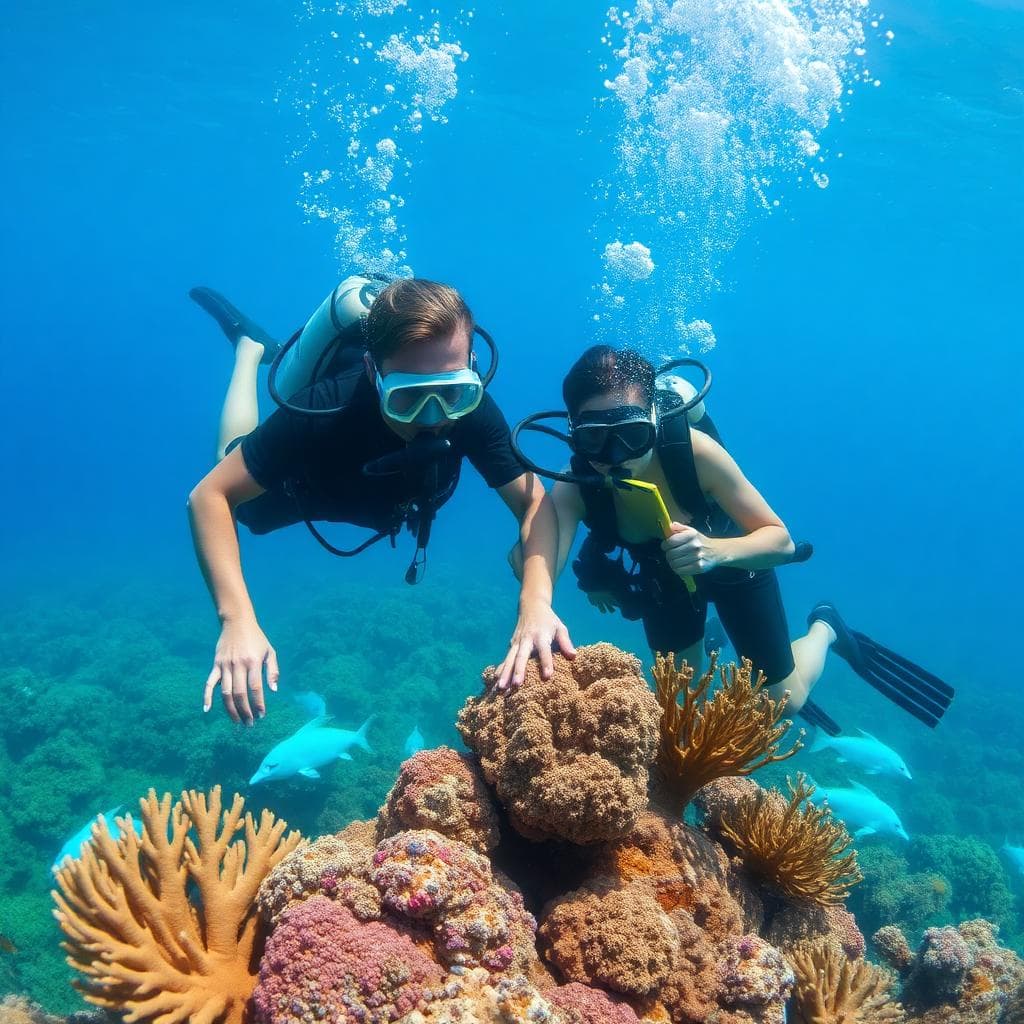
Marine Conservation
What you'll do: Reef surveys, species identification, water quality testing, beach cleanups, coral restoration
Where:
Skills needed: Swimming ability required; PADI certification helpful but often provided
Duration: 2-12 weeks
Cost: $400-800/week
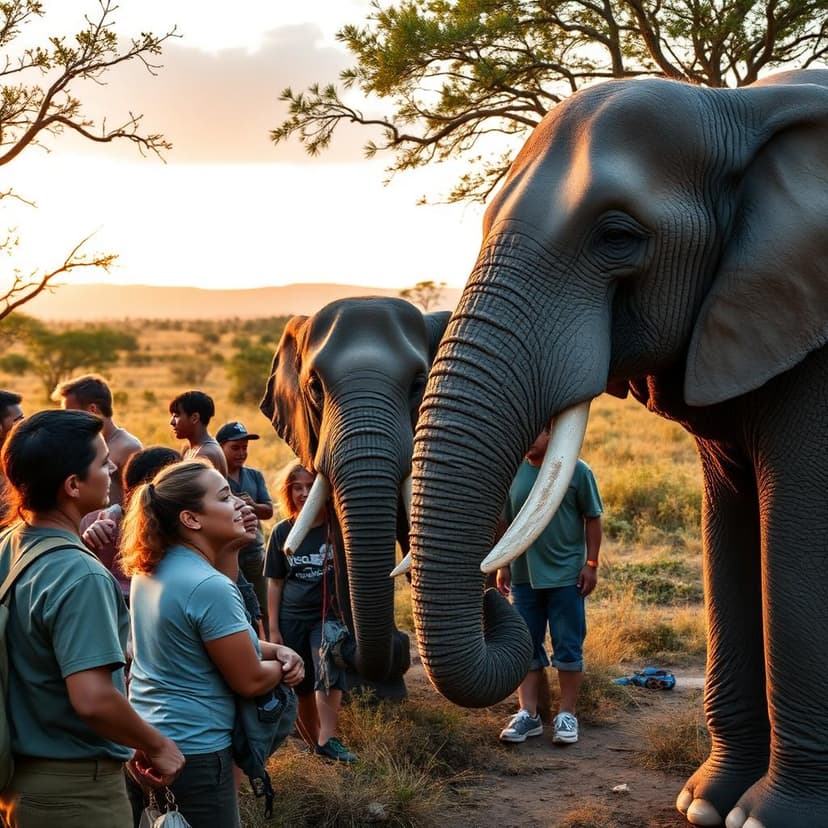
Terrestrial Wildlife Monitoring
What you'll do: Game counts, camera trap setup and data collection, habitat assessment, anti-poaching patrols, wildlife tracking
Where:
Skills needed: Good fitness; ability to work outdoors in heat
Duration: 2-12 weeks
Cost: $500-1,200/week
Habitat Restoration
What you'll do: Tree planting, invasive species removal, trail building, nursery work, mangrove restoration
Where:
Skills needed: Physical fitness; willingness to do manual labor
Duration: 1-8 weeks
Cost: $300-600/week
Animal Rehabilitation
What you'll do: Food preparation, enclosure maintenance, behavioral observation, enrichment creation
Where: Various countries — see our dedicated Animal Sanctuary Guide
Important: Choose only accredited facilities. Red flags include direct animal contact, breeding for display, and tourist selfie opportunities.
Where Your Help Matters Most
Not all conservation volunteering has equal impact. Here's where volunteers make the biggest difference:
High-Impact Activities
Lower-Impact Activities
How to Evaluate Conservation Programs
Questions to Ask
Green Flags
✅ Partnership with universities or research institutions
✅ Published papers or reports using volunteer-collected data
✅ Local staff in leadership positions
✅ Long-term monitoring programs (5+ years of data)
✅ Community engagement component
✅ Clear conservation goals with measurable outcomes
Red Flags
🚩 Marketing focused on "unforgettable experiences" rather than conservation outcomes
🚩 No scientific publications or research partnerships
🚩 Direct animal interaction marketed as a selling point
🚩 High volunteer-to-staff ratio with minimal supervision
🚩 Short-term programs (under 1 week) for complex conservation work
Conservation Volunteering by Budget
| Budget | Options |
|--------|---------|
| Free | Government programs (Peace Corps), Workaway conservation hosts |
| $500-1,500/month | Direct NGO placements, budget programs in Nepal, Guatemala |
| $1,500-3,000/month | Mid-range programs in Thailand, Costa Rica, Kenya |
| $3,000+/month | Premium programs in South Africa, Galápagos, Great Barrier Reef |
Skills That Make You More Valuable
Before You Go
On-Site Training
Most programs provide:
The Bigger Picture: Does Conservation Volunteering Work?
The Evidence
Research shows that volunteer contributions to conservation are most effective when:
What Individual Volunteers Can Do Beyond the Placement
Your impact extends beyond your time in the field:
Conclusion
Wildlife conservation needs volunteers — but it needs informed, committed volunteers who choose programs based on impact rather than Instagram appeal. The best conservation experiences aren't always the most photogenic. They're the ones where you collect data that protects species, restore habitats that support ecosystems, and leave knowing your contribution will compound over years of continued effort.
Choose science over spectacle, and you'll make a difference that matters.
Find your conservation program →
For animal-specific programs, read our [Animal Sanctuary Volunteering Guide](/blog/animal-sanctuary-volunteering-ethical).
Ready to Start Your Volunteer Journey?
Explore ethical programs in Kenya, Nepal, Thailand, and more.
View Programs on VolunteerToTheWorld.com
Conservation Specialist
Marine biologist and conservation advocate with fieldwork experience across four continents.
You May Also Like

Related Programs on VolunteerToTheWorld.com
Ready to take the next step? Explore verified programs related to this article.